



Indian peafowl
Pavo cristatus


The Indian peafowl, a majestic bird with spectacular feathers
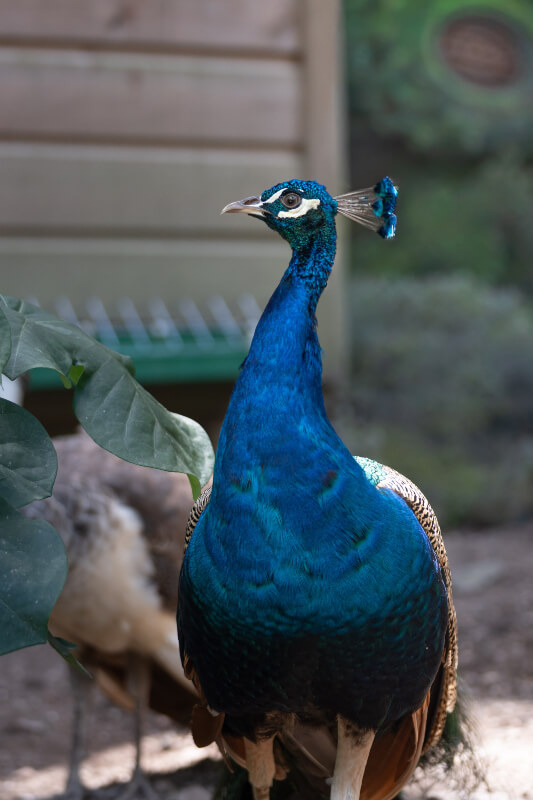
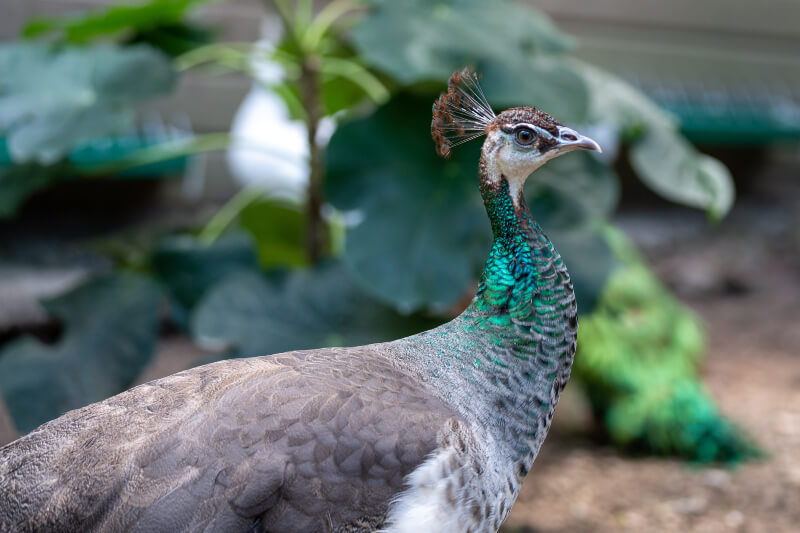
The Indian peafowl (Pavo cristatus) is a large bird native to the Indian subcontinent. It is best known for the male's impressive plumage, composed of long colored feathers decorated with blue and green eyespots. This train, often mistaken for the tail, is used during courtship shows.
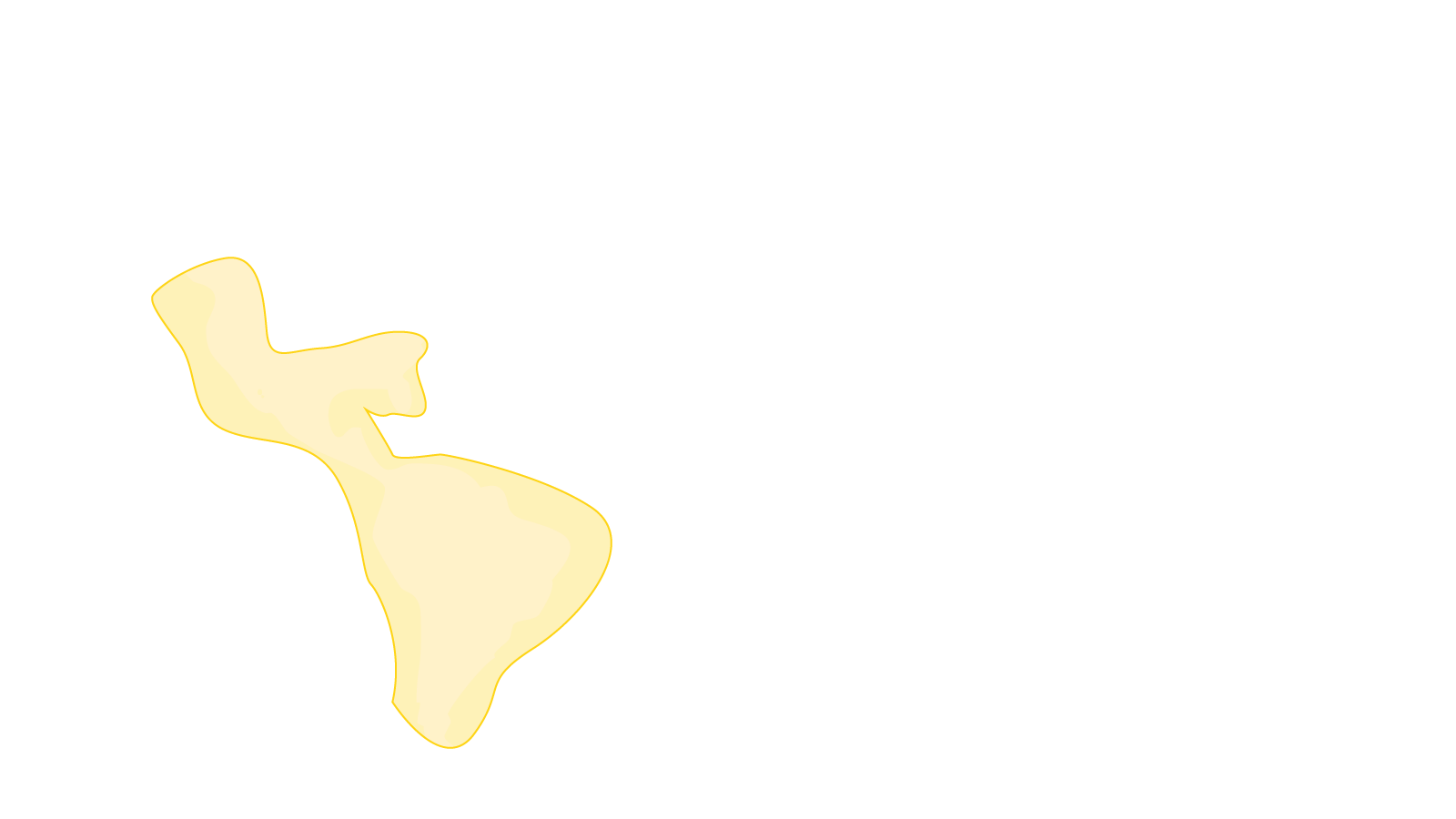
The species is classified as Least Concern (LC) by the IUCN. It is now widely spread throughout the world, especially in parks, gardens and zoological areas. Its adaptation to different environments has allowed it to establish itself permanently outside its area of origin.
The Indian peafowl frequents open areas, forest edges and wooded areas. It spends most of its time on the ground looking for food, but joins the trees to perch and spend the night away from predators. Despite its massive appearance, it is a bird capable of flying short distances.
Omnivorous, it feeds on seeds, fruits, insects, small invertebrates and sometimes small reptiles. This varied diet is similar to that of opportunistic birds present in the park, such as certain tropical species that can be observed along the trails.
At the Martinique Zoo, the Indian peafowl contributes to the lively atmosphere of the park. Its presence makes it possible to address sexual dimorphism, courtship behaviors and visual communication in birds.












.svg)


Quelques anecdotes

The white Indian peafowl, a rare presence at the Zoo
The Martinique Zoo welcomes seven Indian peafowls living freely in the park. Among them, an individual with all-white plumage immediately stands out. This coloring is linked to an absence of pigments, which is characteristic of albinism.
An impressive visual parade
For the Indian peafowl, the courtship is a real spectacle. The male deploys his long tail in a fan and makes it vibrate to capture the attention of the females. Eye patterns play an essential role in this visual communication.
.svg)
