


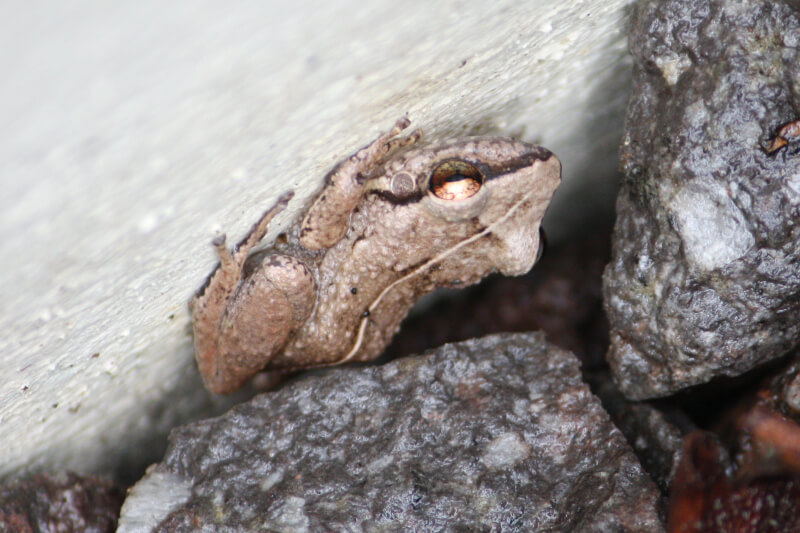
Martinique robber frog
Eleutherodactylus martinicensis


Martinique robber frog, a tropical forest singer
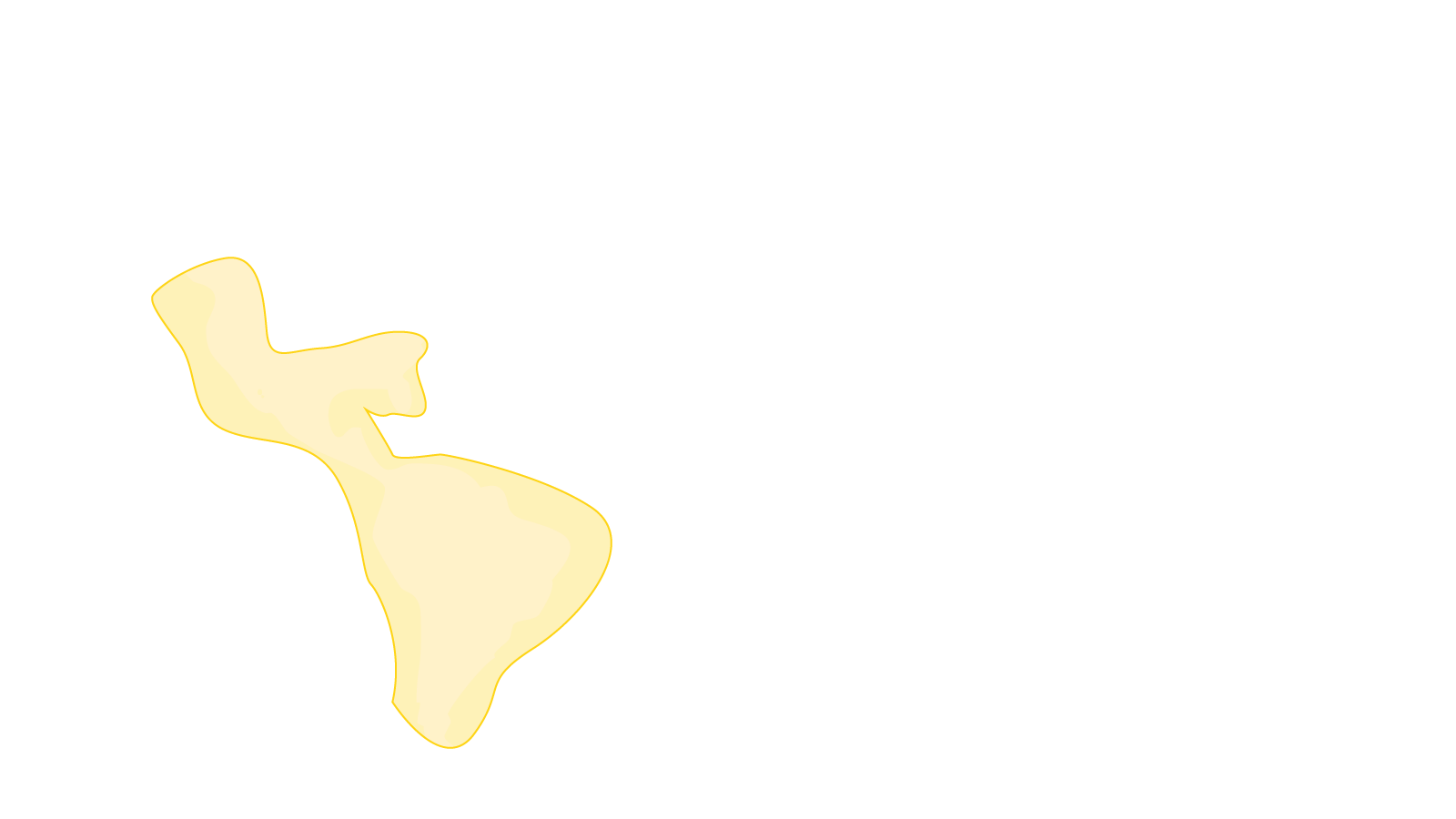
The Martinique robber frog (Eleutherodactylus martinicensis) is a small amphibian typical of the tropical forests of the Lesser Antilles. She is found in Guadeloupe, Martinique, Dominica and Saint Lucia, where she is much more noticed for her singing than for her discreet appearance.
Present in the tropical forest of the Guadeloupe Zoo, it accompanies visitors throughout their walk, hidden under wet leaves or perched on mossy trunks. It is also visible in the Zoo insectarium.
Classified as Near Threatened (NT) by the IUCN, the Martinique robber frog remains relatively widespread in well-preserved forests, but its populations are declining in areas affected by deforestation and pollution. Its presence at the Zoo testifies to the good health of the surrounding tropical forest, a refuge for many local species.
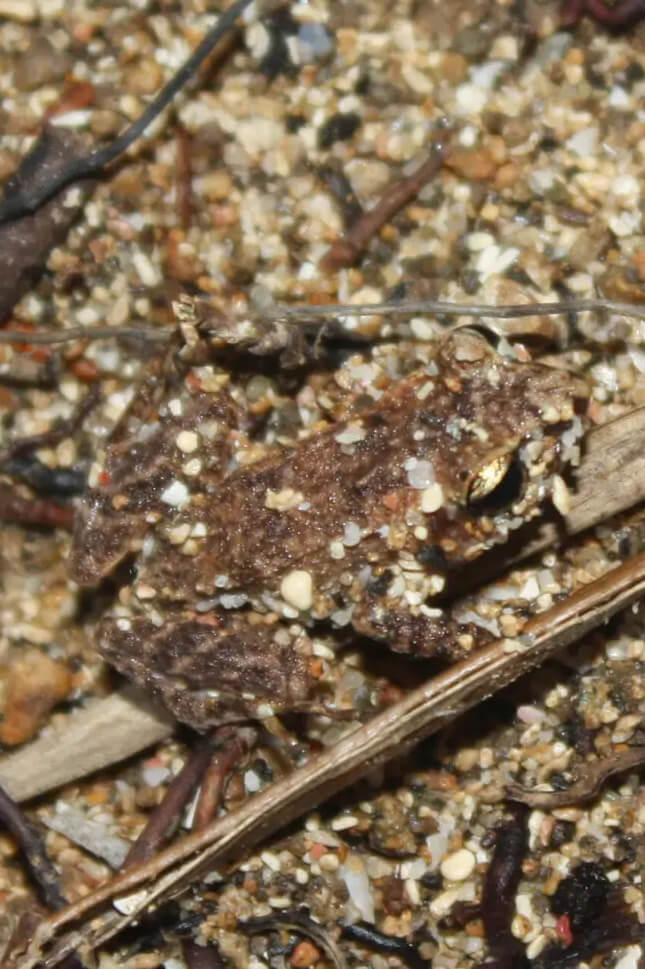
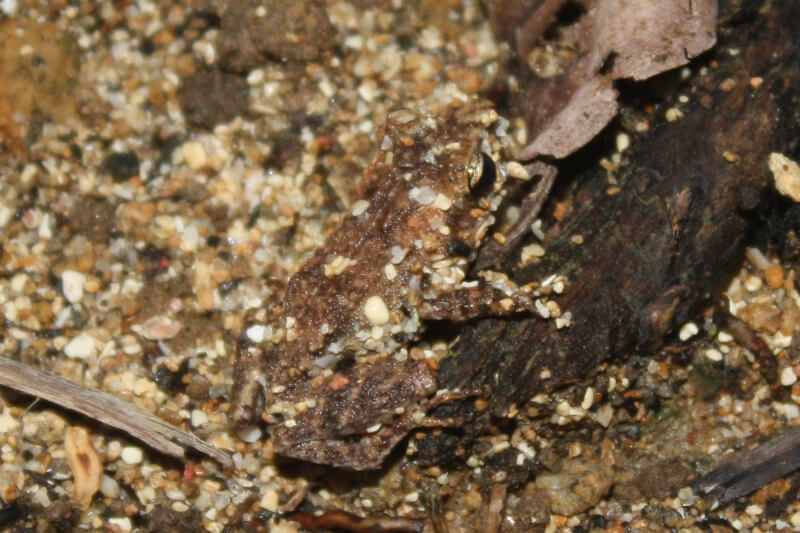
This small amphibian measures only 2 to 3 cm, with thin and moist skin, generally brown to greenish, often speckled to better blend into the vegetation. It is active especially at night, when males make their characteristic song heard — a regular “tick-tick-tic” that punctuates tropical evenings.
The Martinique robber frogfeeds mainly on small insects: ants, gnats, gnats, larvae and beetles, thus contributing to the natural balance of the forest. Its presence is an excellent indicator of the quality of the environment, as frogs are very sensitive to pollution and climate change.












.svg)


Quelques anecdotes

A frog without a tadpole
Unlike most frogs, Martinique robber frogs do not lay eggs in water. The female deposits about twenty eggs in a humid environment, often under a leaf or in moss. The young develop entirely inside the egg and hatch directly into mini-frogs, without going through the tadpole stage. A perfect adaptation to forest environments.

A tireless singer
The male Martinique robber frog is a true nocturnal musician. It can sing for several hours in a row to attract a female or defend its territory. This song resonates throughout the forest, giving the tropical night this sound environment so typical of the Guadeloupe Zoo and its surroundings.
.svg)
