



Hummingbird
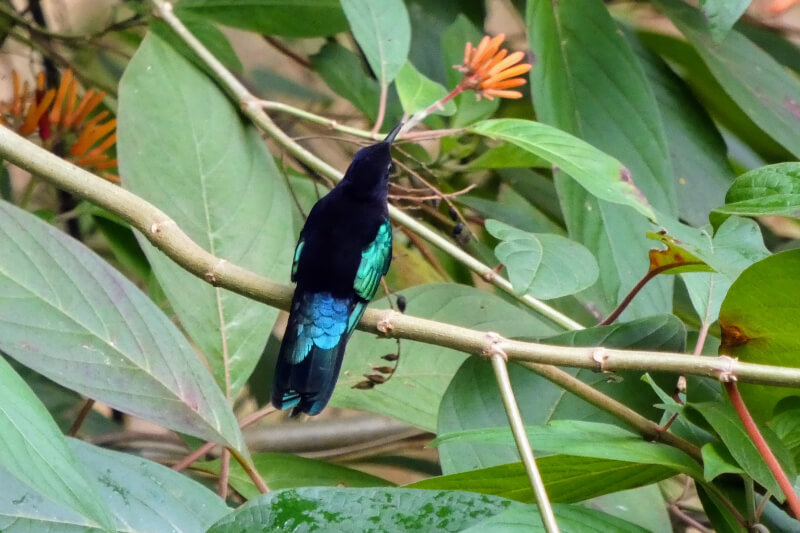
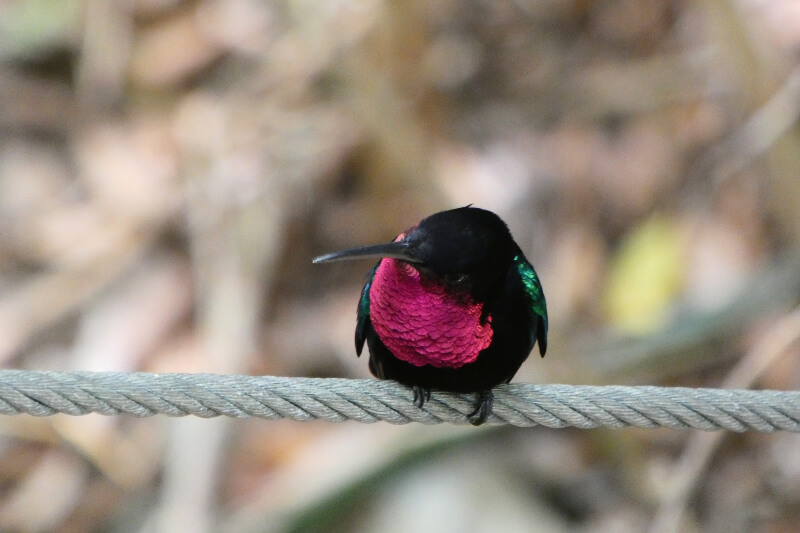
Eulampis jugularis/Orthorhyncus cristatus/Eulampis holosericeus


The Hummingbird, living brilliance of tropical gardens
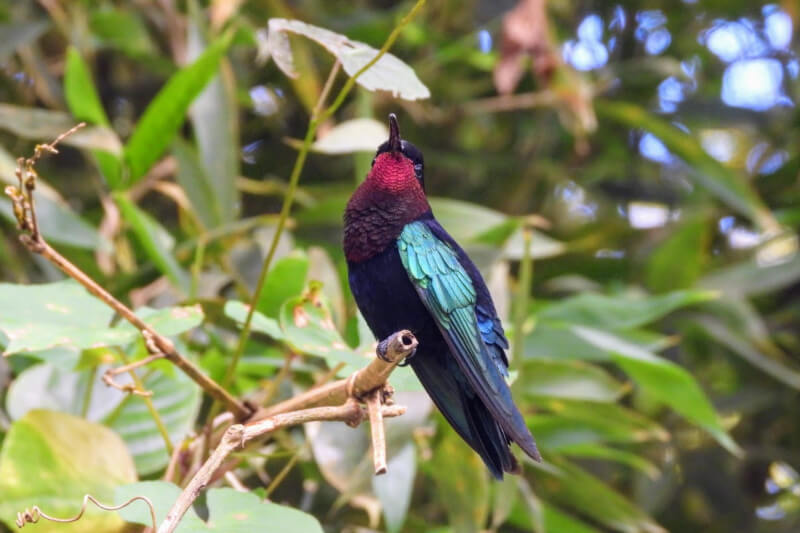
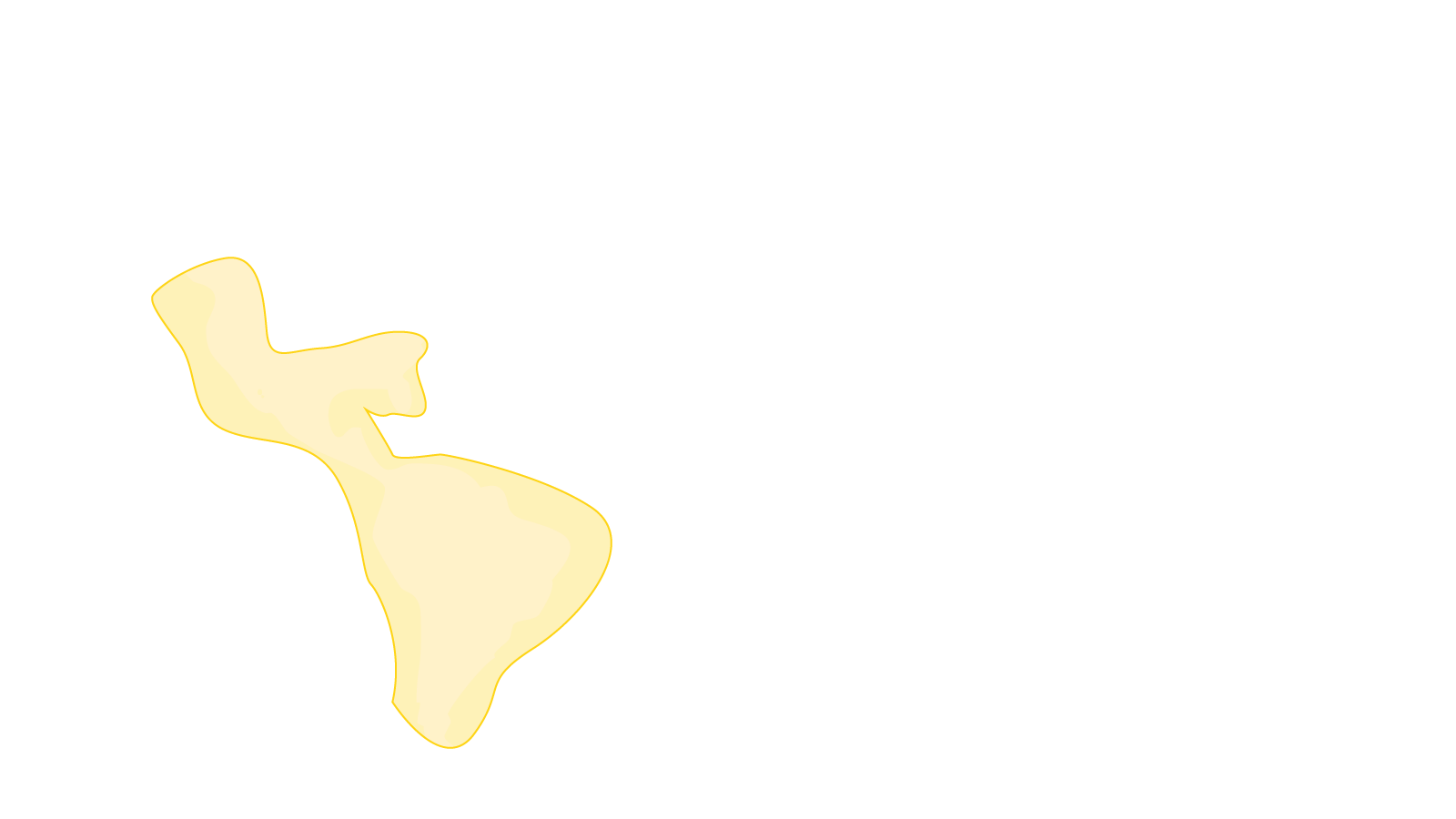
In Martinique, several species of hummingbirds can be observed in the wild, including during a walk at Martinique Zoo. These birds are not in captivity. They move freely in the Habitation Latouche botanical garden, attracted by the diversity of tropical flowers along the route.
Among the species visible in Martinique, we find in particular:
- The Crested Hummingbird (Orthorhyncus cristatus)
- The Madeira Hummingbird (Eulampis jugularis)
- The Falle-green Hummingbird (Eulampis holosericeus)
These hummingbirds frequent nectar-rich areas. They are often seen near beacons, heliconias, and other flowering plants that line park trails. Their presence is closely linked to the botanical richness of the site.
The hummingbird is one of the most recognizable birds in the Antilles. Its small size, its hover and its extremely fast wing beats give it a unique look. Depending on the species, the plumage may have green, bluish or purplish reflections. Males generally have brighter colors, while females are more discreet.
Depending on the species, the IUCN status varies between Least Concern (LC) and Near Threatened (NT). Hummingbirds remain dependent on the preservation of natural environments and flowery areas, which are essential for their survival. The disappearance of nectariferous plants has a direct impact on their populations.
The hummingbird feeds mainly on nectar. Its long and thin beak, combined with an extendable tongue, allows it to reach the heart of flowers. It also consumes small insects, which are essential sources of protein, especially for the diet of young people. By moving from flower to flower, it plays a key role in pollinating tropical plants.
Its flight is one of the most spectacular in the animal world. Some hummingbirds flap their wings up to 60 times per second. Their very high metabolism explains their constant need to eat throughout the day.











.svg)


Quelques anecdotes
An extraordinary heart
The hummingbird's heart beats extremely fast, sometimes more than 1,000 beats per minute in full flight. This performance makes it possible to maintain its intense activity, but also requires it to eat very regularly to avoid exhaustion.
An essential break
At night, the hummingbird enters a state called torpor. His body temperature and heart rate drop sharply. This adaptation allows him to save energy during the hours without food.
.svg)
