


Stick Insect
Phasmatodea


Stick Insect at the Martinique Zoo
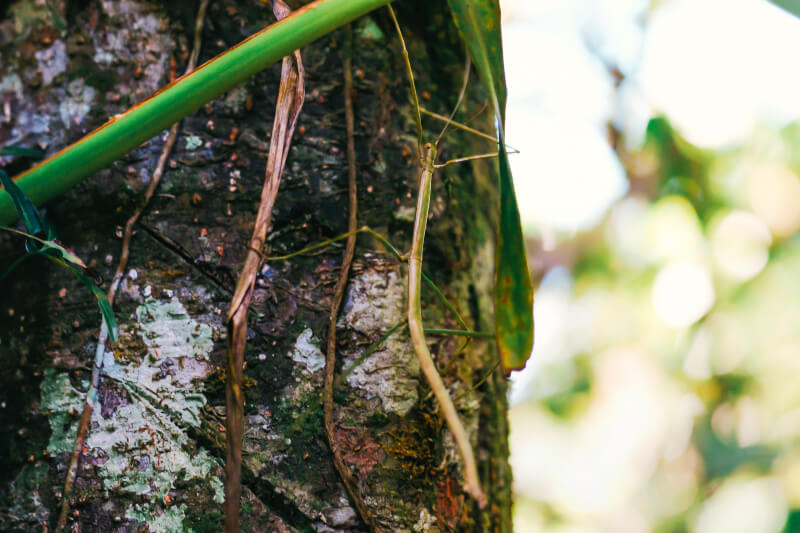
Stick Insectis a phytophagous insect known for its incredible ability to camouflage. In Martinique, it is not presented in captivity at the Zoo, but it is present in the natural environment. The most attentive visitors can sometimes see it in freedom, hidden in the vegetation of the park or in the surrounding forests.
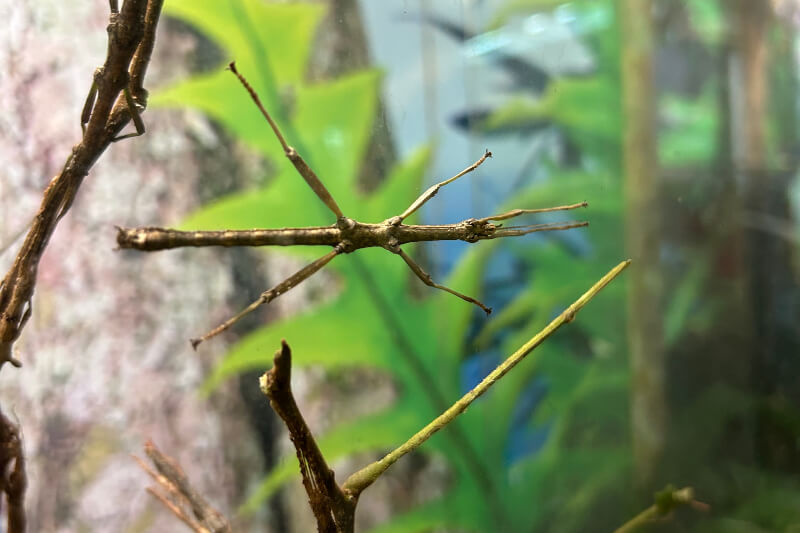
Stick insects live mainly in humid and wooded areas. Their appearance, similar to a twig or a leaf, allows them to go completely unnoticed. This survival strategy, called mimicry, is one of the most effective in the insect world.
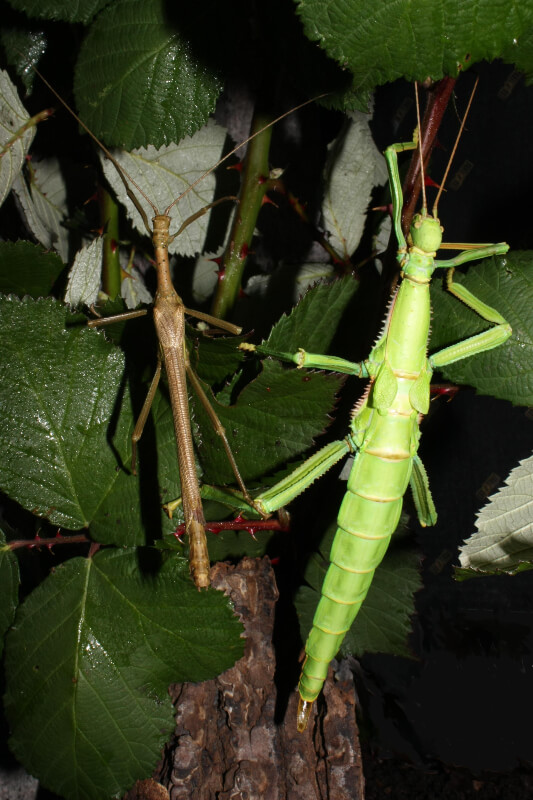
The Stick insect body is elongated, thin, and segmented. Its color varies from green to brown, sometimes marbled, depending on the species and the environment. Some individuals may be over 10 cm tall. Most of the time, they stay still for long hours, making it particularly difficult to observe them.
Strictly herbivorous, it feeds on the leaves of various tropical plants. It is mostly active at night. During the day, it adopts a rigid posture, aligned with the branches, in order to escape birds and other predators.
Stick insects are classified as Least Concern (LC) by the IUCN. They are not considered to be threatened on a global scale, but remain dependent on the good conservation of tropical forests. The disappearance of vegetation or the use of pesticides can have a direct impact on their populations.
At the Martinique Zoo, the potential presence of stick insects in freedom illustrates the richness of the botanical garden and the quality of the natural environments preserved around the remains of Habitation Latouche.











.svg)


Quelques anecdotes
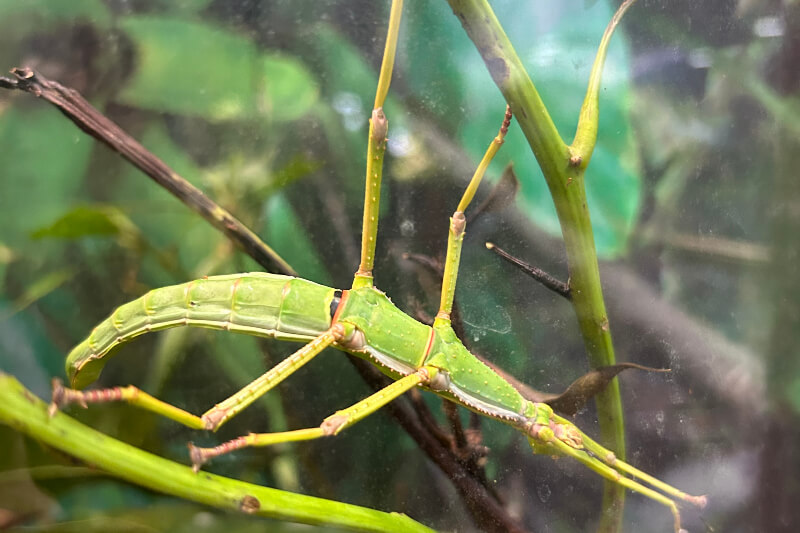
Almost perfect camouflage
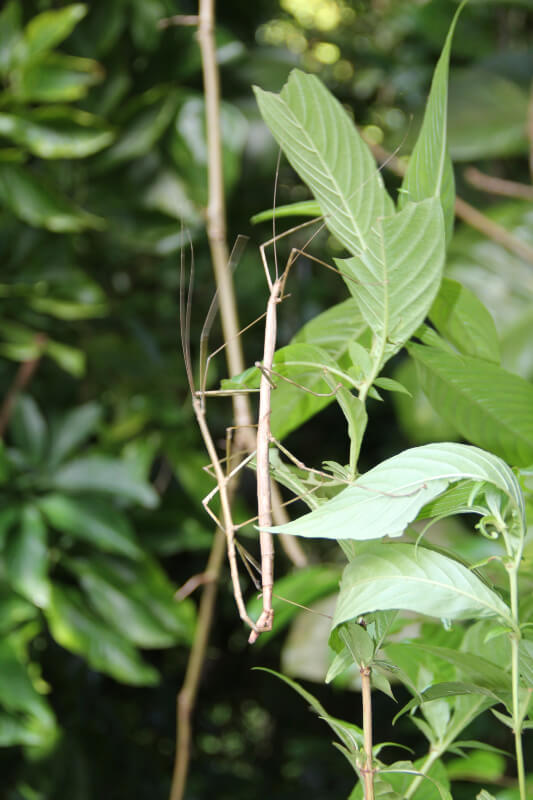
Stick insects can remain completely immobile for hours, sometimes even days. In wind, it can sway slightly to imitate the movement of a branch. This behavior reinforces the illusion and makes it almost invisible to predators... and visitors.
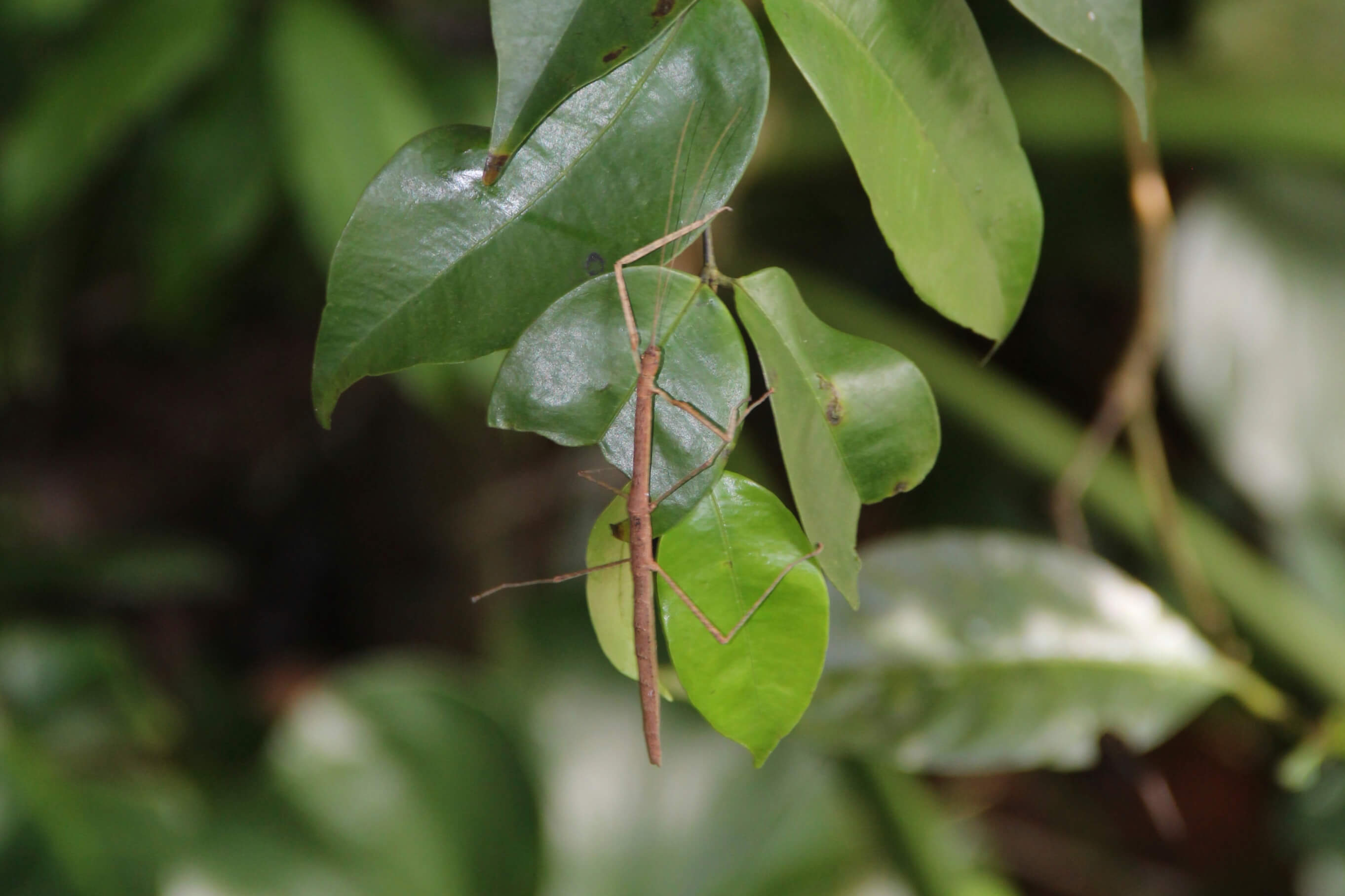
Champions of discretion
In some species, reproduction can occur without mating, through a phenomenon called parthenogenesis. The female then lays viable eggs without male intervention, a rare strategy for insects that promotes survival in isolated environments.
.svg)
