



Jandaya Parakeet
Aratinga jandaya


The Jandaya parakeet, tropical sparkle from Brazil
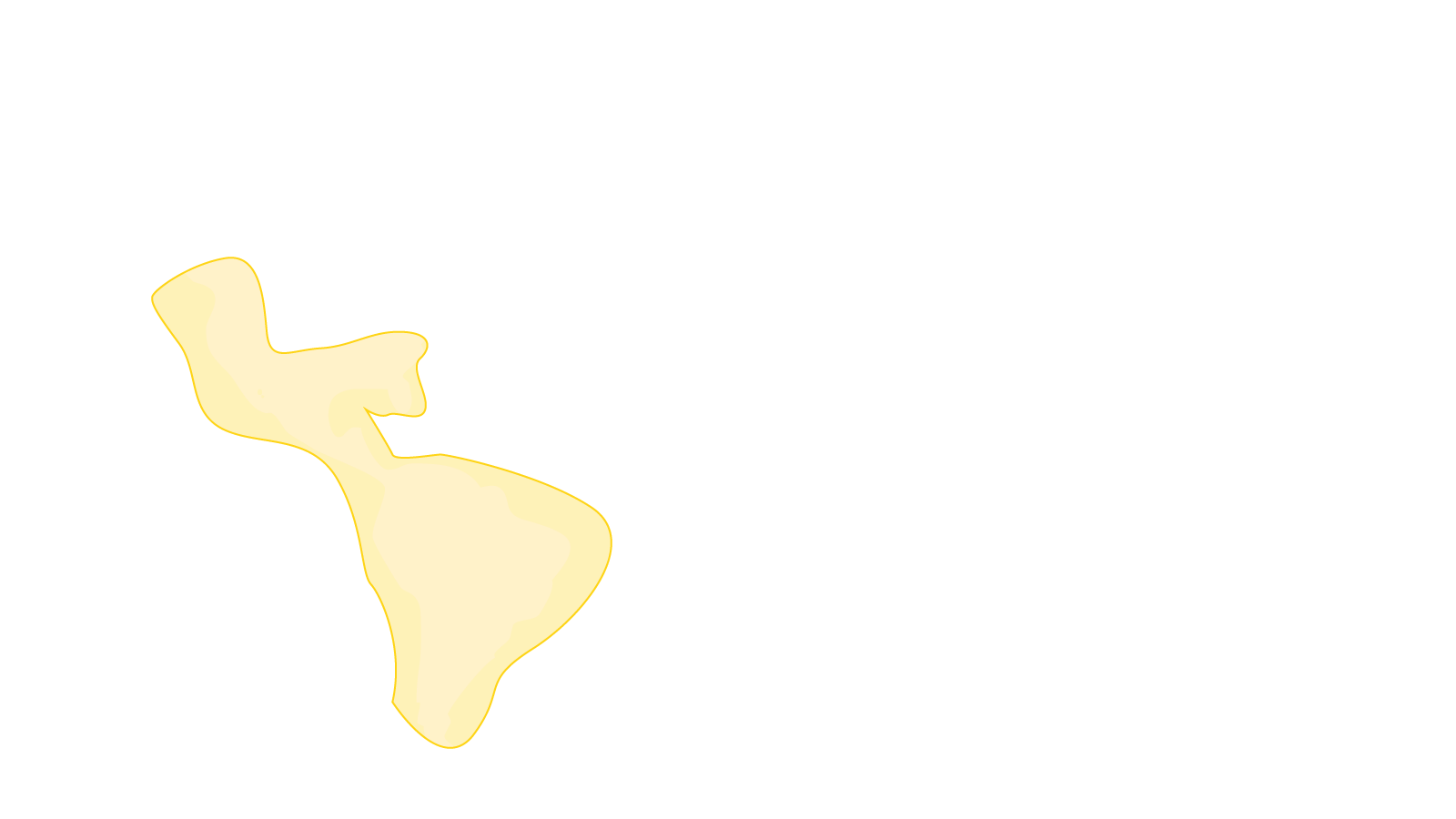
The Jandaya Parakeet (Aratinga jandaya), is a parrot native to northeastern Brazil. It frequents open forests, areas of transition between savannah and forest, as well as open landscapes punctuated by tall trees. Always on the move, it often moves in small, noisy groups.
The species is classified as Near Threatened (NT) by the IUCN. Habitat loss and illegal trade have led to local declines in some populations. Like other parrots in the park, such as the Yellow-fronted Amazon Or the Scarlet macaw, the Jandaya parakeet depends heavily on trees for food and nesting.
Modest in size (about 30 cm), it is distinguished by a Flamboyant plumage combining yellow, orange and green, with bright green wings and a long, tapered tail. Its powerful beak allows it to open tough seeds and fruits. Very expressive, he communicates through frequent vocalizations, especially when traveling in groups.
Its diet is mostly plant-based: fruits, seeds, berries and flowers. By feeding, it contributes to seed dispersal, an ecological role shared with other frugivorous species observable at the Martinique Zoo, such as the tufted capuchin.
At the Martinique Zoo, the Jandaya Parakeet illustrates the diversity of small South American parrots and addresses conservation issues related to colorful and highly coveted species.











.svg)


Quelques anecdotes

A well-regulated group life
In the wild, Jandaya parakeets move in welded bands. This organization facilitates the search for food and reinforces collective vigilance in the face of dangers.

A very watchful bird
Curious and attentive, the Jandaya parakeet quickly learns by imitation. This social intelligence explains its adaptability, but also its vulnerability to human interactions.
.svg)
