



Yellow-crowned Amazon
Amazona ochrocephala


The yellow-crowned Amazon, the colorful voice of tropical forests
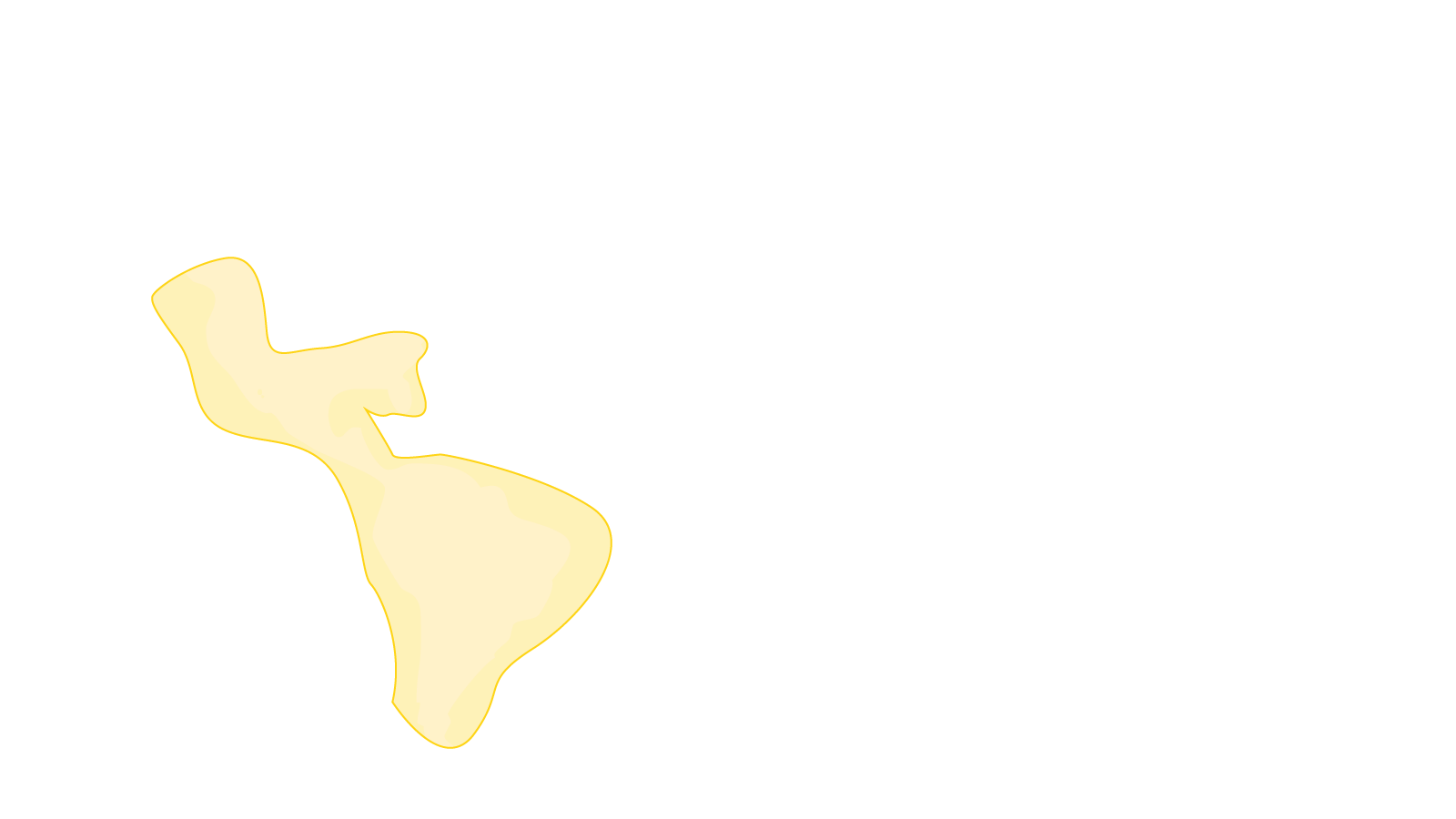
The yellow-crowned Amazon (Amazona ochrocephala) is a large parrot native to Central and South America. It can be recognized by its bright green plumage and by the large yellow zone that colors its forehead and sometimes the top of the head. This species lives primarily in tropical rainforests, woodlands, and forest edges, where it finds both food and nesting sites.
The species is classified as Least Concern (LC) by the IUCN, but some local populations are declining as a result of deforestation and illegal bird trade. Like other large parrots, such as the Blue macaw Or the Military macaw, the yellow-crowned Amazon depends heavily on the preservation of tall trees in order to reproduce.
Very sociable, she lives in couples or in small groups. Its flight is direct and powerful, often accompanied by loud cries used to maintain contact between individuals. These vocalizations play an essential role in the cohesion of the group and in alerting them to dangers.
Its diet consists of fruits, seeds, flowers and buds. By consuming these plants, it participates in seed dispersal, contributing to the regeneration of tropical forests, in the same way as other arboreal species such as the white nasturtium or the red coati.
At the Martinique Zoo, the yellow-crowned Amazon makes it possible to address the diversity of neotropical parrots and the conservation issues associated with these intelligent and very expressive birds.


.svg)


Quelques anecdotes

A remarkable memory
The yellow-crowned Amazon has excellent learning abilities. It easily remembers sounds and can reproduce complex vocalizations. This ability is primarily used to communicate effectively within the group.

A well-known resident of the park
At the Martinique Zoo, visitors can observe a female yellow-crowned Amazon named “Ça va”. Easily recognizable by her attentive behavior and her regular presence near the caregivers, she fully participates in the educational role of the park.
.svg)
