



Rainbow lorikeet
Trichoglossus haematodus


The Rainbow lorikeet, a rainbow in the canopy
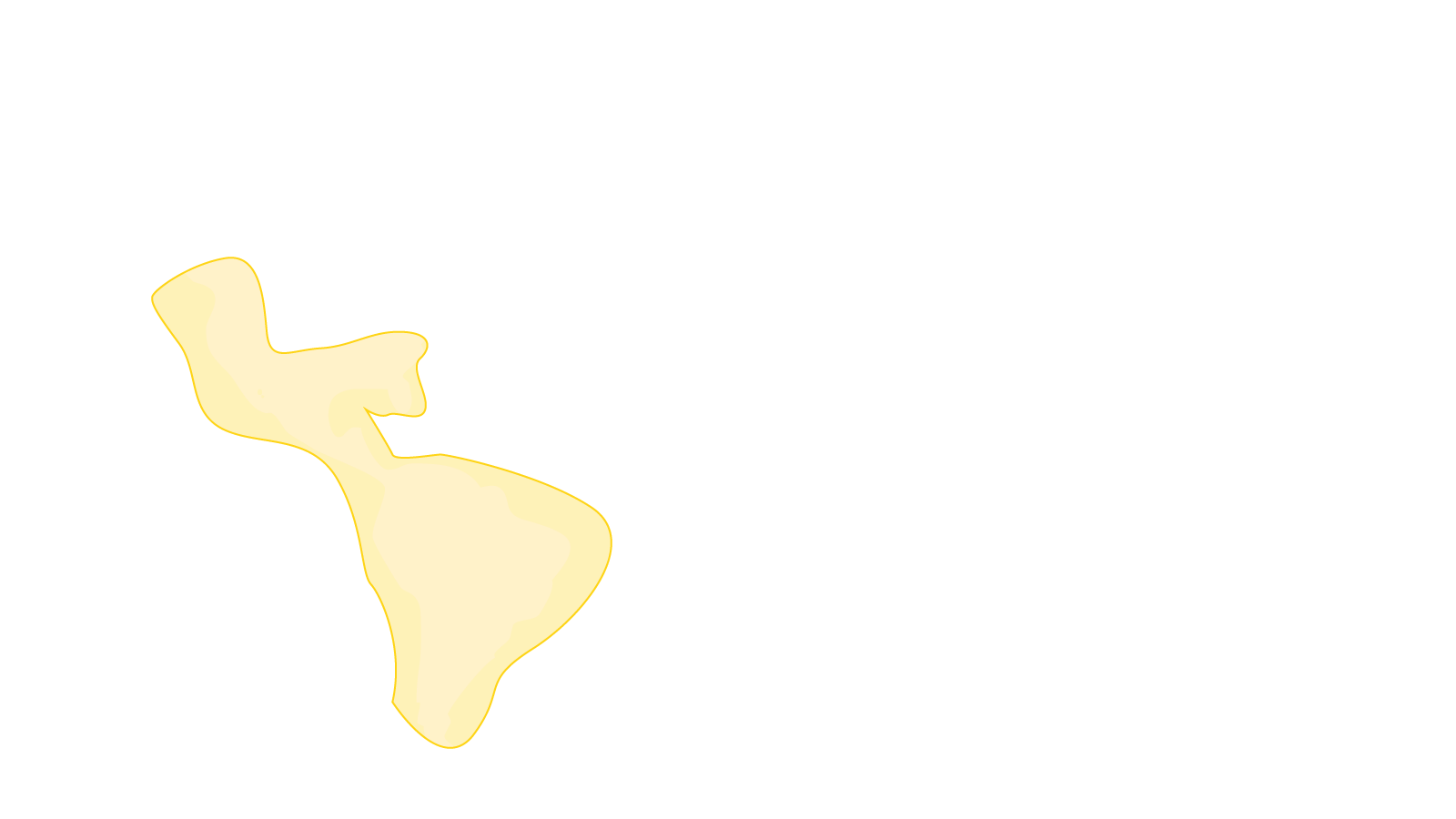
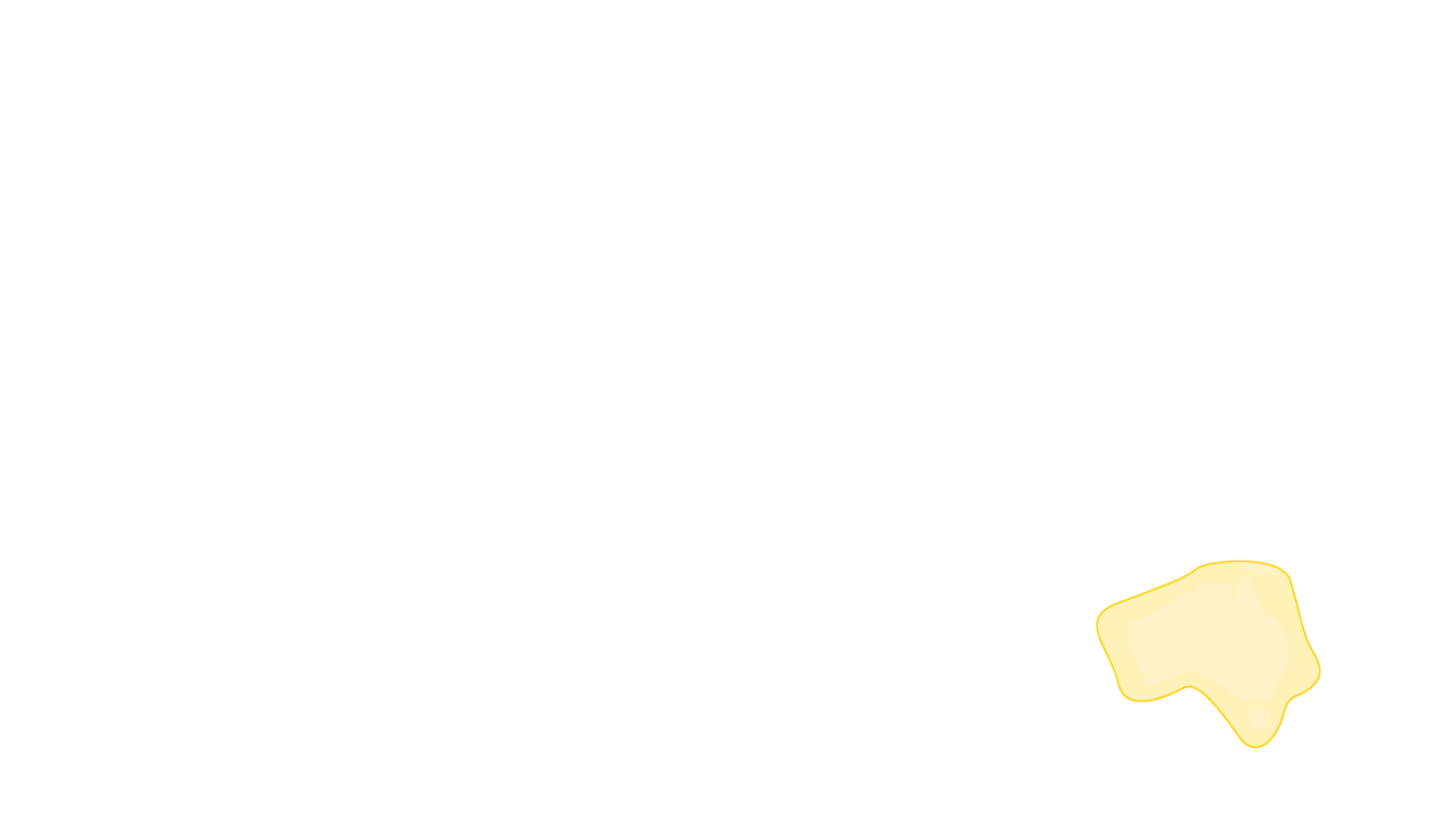
The rainbow Lorikeet (Trichoglossus haematodus) is a small parrot native to Oceania. It lives mainly in rainforests, mangroves and open woodlands in Australia, Indonesia, and Papua New Guinea. Very recognizable, it has a bright plumage combining blue, green, yellow and red.
The species is classified Least Concern (LC) by IUCN. Although its populations are generally stable, it remains dependent on the availability of floral resources. Like other birds in the park, such as the Yellow-crowned Amazon Or the Galah, it depends heavily on trees for food and rest.
Small in size (about 25 to 30 cm), the Rainbow lorikeet is distinguished by its brush-shaped tongue, which is perfectly adapted to its diet. Unlike many granivorous parrots, it is primarily nectarivorous. It feeds on nectar, pollen, fruits, and sometimes small seeds. This specific diet makes them an important player in pollination, in the same way as some tropical birds such as hummingbirds.
Very active and sociable, the Rainbow lorikeet lives in noisy groups. It moves quickly between trees in search of flowers in full bloom. Its dynamic behavior and bright colors make it a bird that is particularly appreciated by visitors.
Au Martinique Zoo, the Rainbow lorikeet allows you to closely observe a unique mode of feeding and to better understand the role of birds in the pollination of tropical ecosystems.


.svg)


Quelques anecdotes

A language adapted to nectar
The Rainbow lorikeet has a specialized tongue, ending with fine, brush-shaped papillae. This adaptation allows it to effectively collect nectar from the heart of flowers, much like Hummingbirds.

A bird that is always in motion
Very energetic, Rainbow lorikeet spend much of the day flying, climbing, and exploring their environment. This constant activity is essential for finding enough food in the wild.
.svg)
