



Vervet monkey
Chlorocebus aethiops


The green monkey, an attentive observer of African savannas
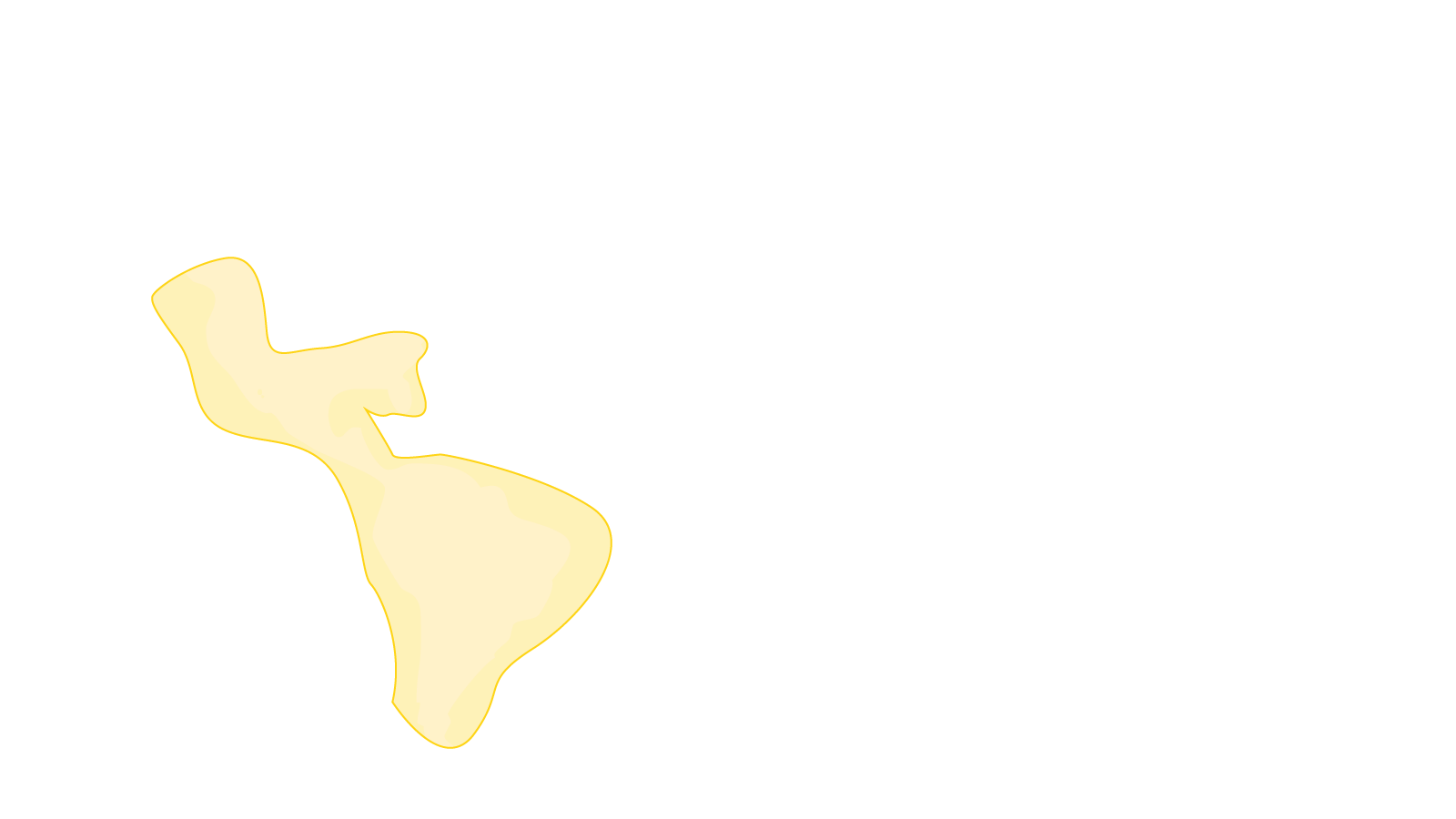
The Vervet monkey (Chlorocebus aethiops) is a primate native to sub-Saharan Africa. He mainly frequents wooded savannas, open forests and areas near waterways. Very adaptable, it can also live near agricultural or inhabited areas, as long as vegetation and water remain accessible.
The species is classified as Least Concern (LC) by the IUCN. Its wide geographical distribution and its ability to adapt explain this global stability. Like other opportunistic primates, such as Tufted capuchin Or of Bolivian squirrel monkey, however, the vervet monkey depends on a balance between natural resources and the tranquility of its habitat.
Of medium size, it measures about 45 to 60 cm, not including the tail. His grey-green coat, lighter on the belly, contrasts with his dark face surrounded by light hairs. This characteristic appearance has earned it its common name.
Omnivore, the Vervet monkey feeds on fruits, leaves, seeds, insects, and sometimes small vertebrates. This varied diet allows it to exploit numerous resources and adapt to the seasons. By consuming fruits and vegetables, it also participates in seed dispersal, a role shared with arboreal species such as the red-faced harteater.
A very social species, the vervet monkey lives in structured groups that can number several dozen individuals. This collective organization reinforces vigilance against predators and facilitates learning among young people.
At the Martinique Zoo, the vervet monkey makes it possible to approach the diversity of neotropical primates and to observe complex social behaviors, based on communication, hierarchy and cooperation.











.svg)


Quelques anecdotes

A sentinel of the group
When moving, some individuals adopt a lookout posture. The smallest danger is signalled by specific cries, triggering an immediate reaction from the group.

A great ability to adapt
The vervet monkey is recognized for its ability to exploit new environments. This behavioral flexibility largely explains its success in a variety of environments.
.svg)
