



Bolivian squirrel monkey
Saimiri boliviensis


The Bolivian squirrel monkey, keen scout of the canopy
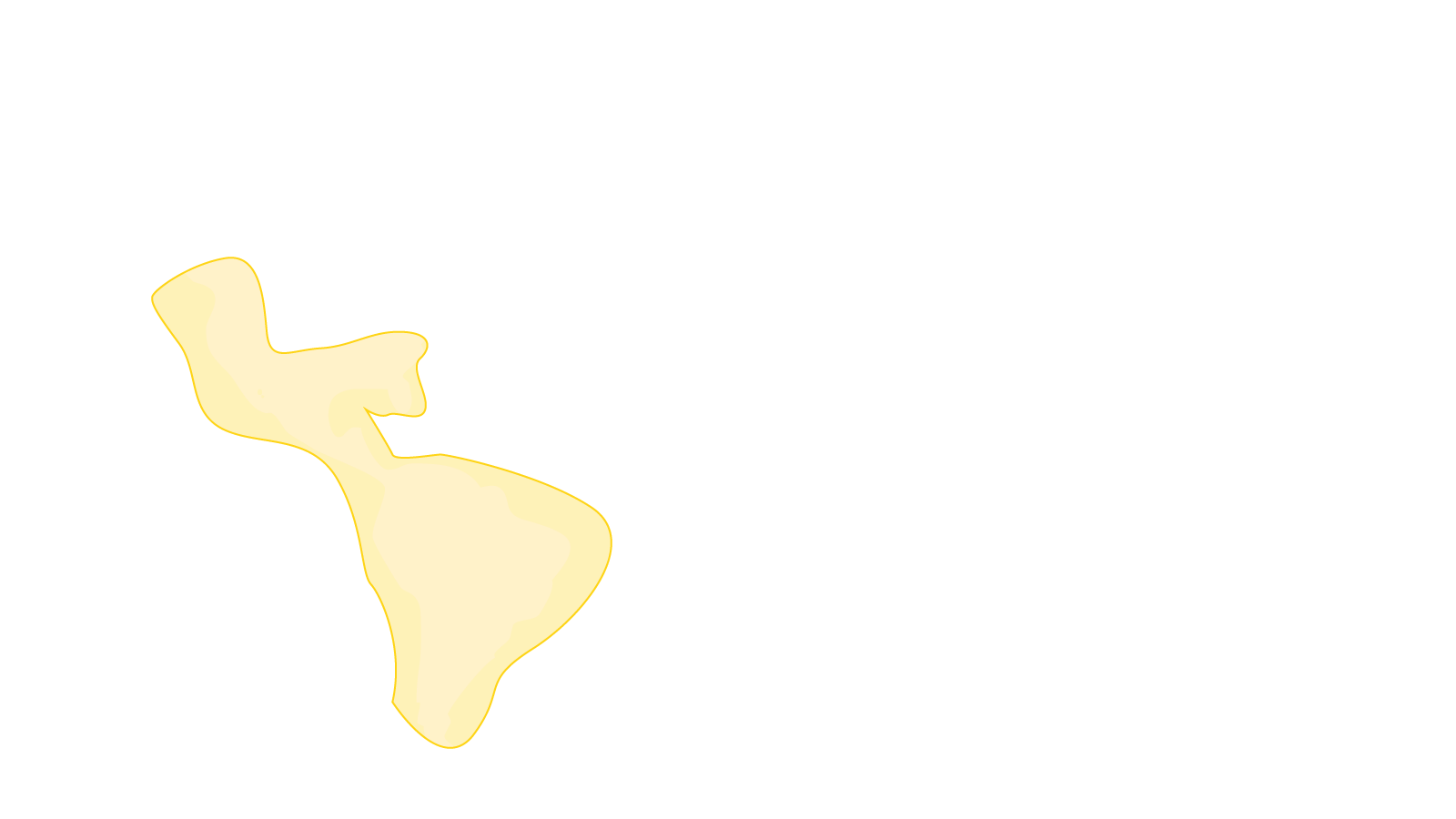
The Bolivian squirrel monkey (Saimiri boliviensis) is a small primate native to South America. It is mainly found in tropical rainforests, gallery forests, and wooded areas near waterways. Always on the move, it spends most of its life in the lower and middle floors of the canopy.
The species is classified as Least Concern (LC) by the IUCN. Although its populations remain generally stable, it depends heavily on the preservation of tropical forests. Like the Spider Monkey Or the Tufted Capuchin, the Squirrel monkey is sensitive to the fragmentation of forest habitats.
Small in size, it measures about 30 to 35 cm, plus a long, non-prehensile tail. Son grey-green coat Contrast with sound clear and expressive face, marked by big dark eyes. This morphology gives it excellent vision, which is essential for moving quickly between branches and locating food.
Omnivore, the Squirrel monkey feeds mainly on fruits, insects, flowers, and small invertebrates. This varied diet allows it to occupy an important place in the forest ecosystem, in particular in the regulation of insect populations, a role shared with other arboreal species such as the white nasturtium.
Very sociable, he lives in groups that can count several dozen individuals. This collective organization reinforces vigilance against natural predators, such as birds of prey or forest felines such as the jaguar.
At the Martinique Zoo, the Bolivian squirrel monkey illustrates the diversity of South American primates and the wealth of social behaviors observed in the tropical forest.











.svg)


Quelques anecdotes

Impressive energy
The squirrel monkey is one of the most active primates. He spends most of the day moving around, exploring, and interacting with members of his group, leaving little room for rest.

Discreet but effective communication
Groups use a wide range of high-pitched vocalizations and visual signals to keep in touch in the dense vegetation. This constant communication is essential to the cohesion of the group.
.svg)
