


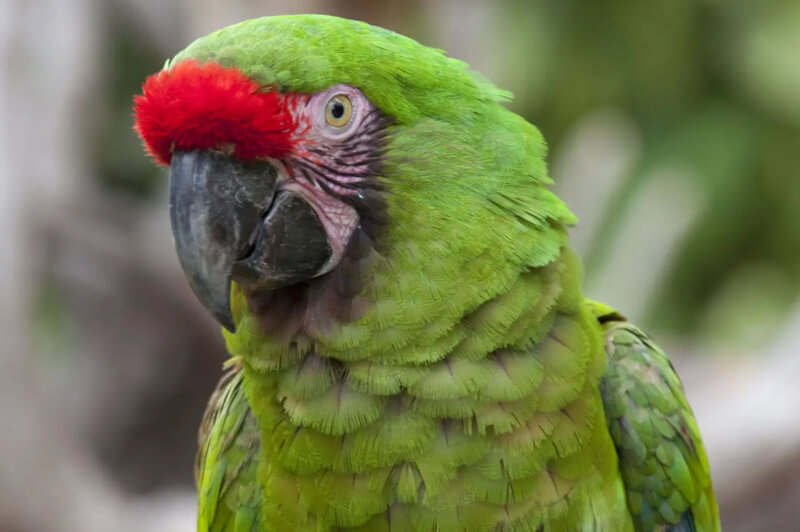
Military macaw
Ara militaris


The Military Macaw at the Martinique Zoo
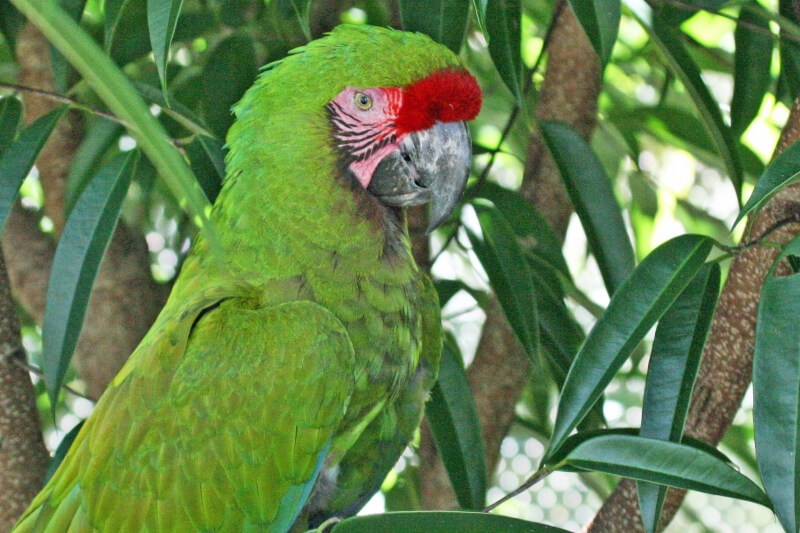
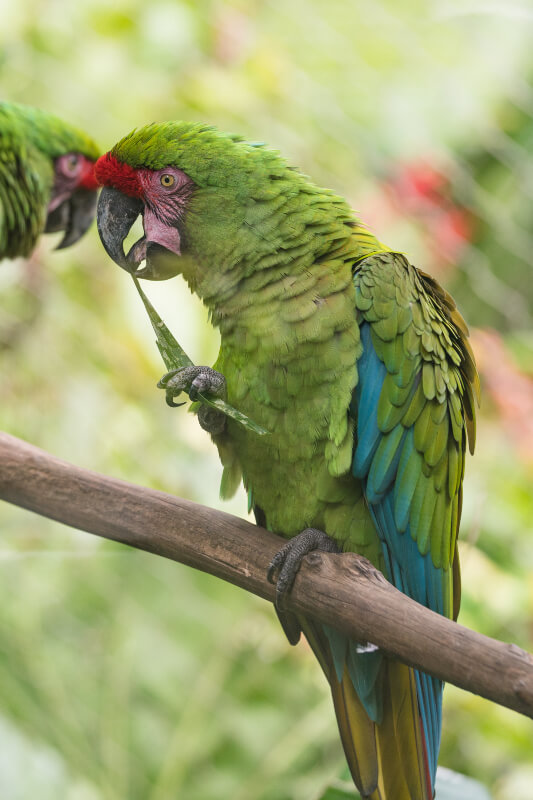
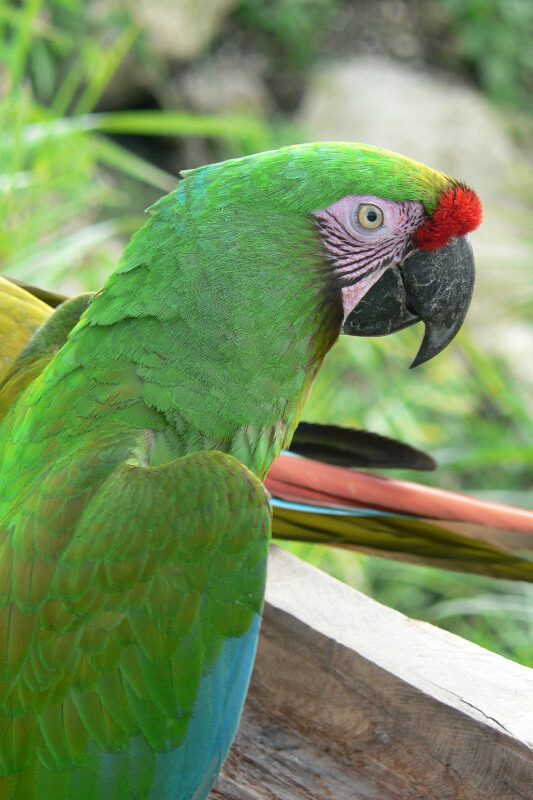
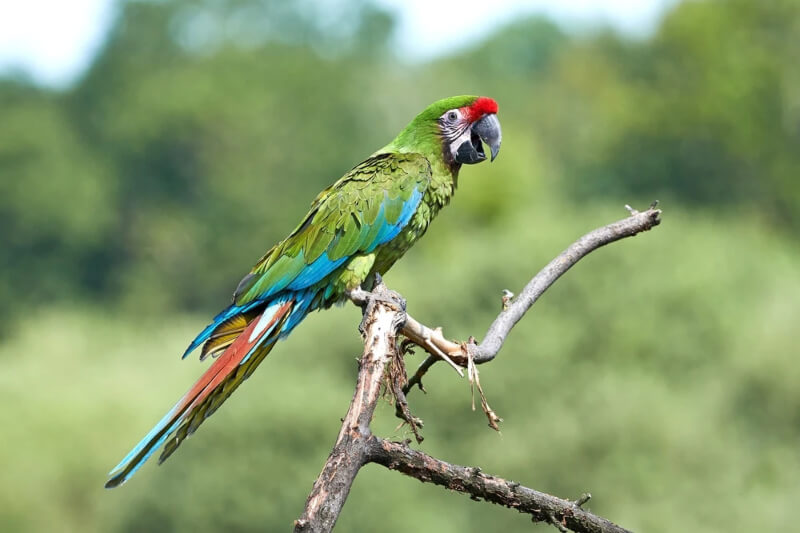
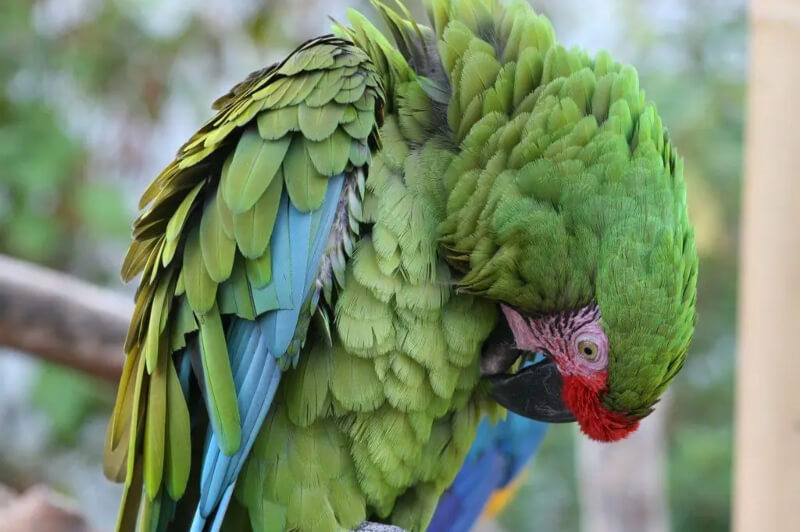
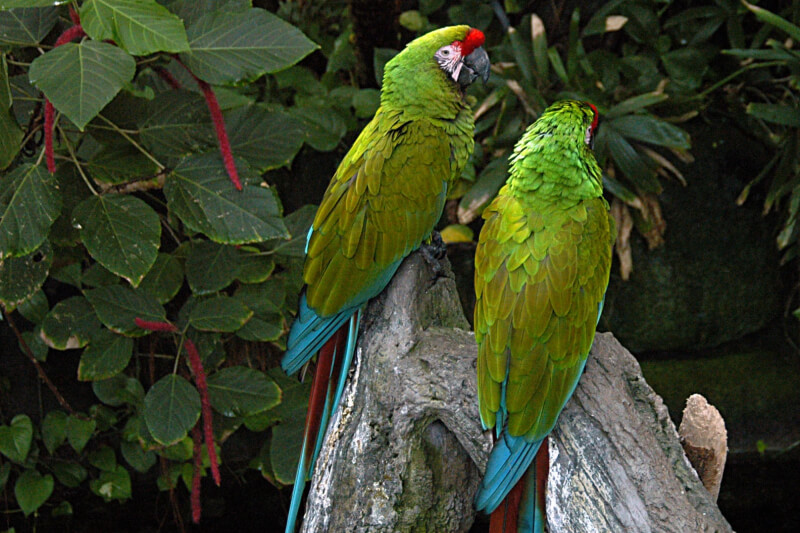
The military macaw (Ara militaris) is one of the iconic big parrots of Latin America. It is recognizable by its green plumage, with touches of red on the forehead and blue on the wings. Its large and sturdy spout is perfectly suited to opening resistant nuts, as for The blue macaw.
Classified Vulnerable (VU) by the IUCN, the military macaw is seeing its numbers decrease in several regions. Deforestation, forest fragmentation and poaching are permanently weakening its populations. Like the Tandoir Or the jaguar, it depends on vast, continuous territories to ensure its life cycle.
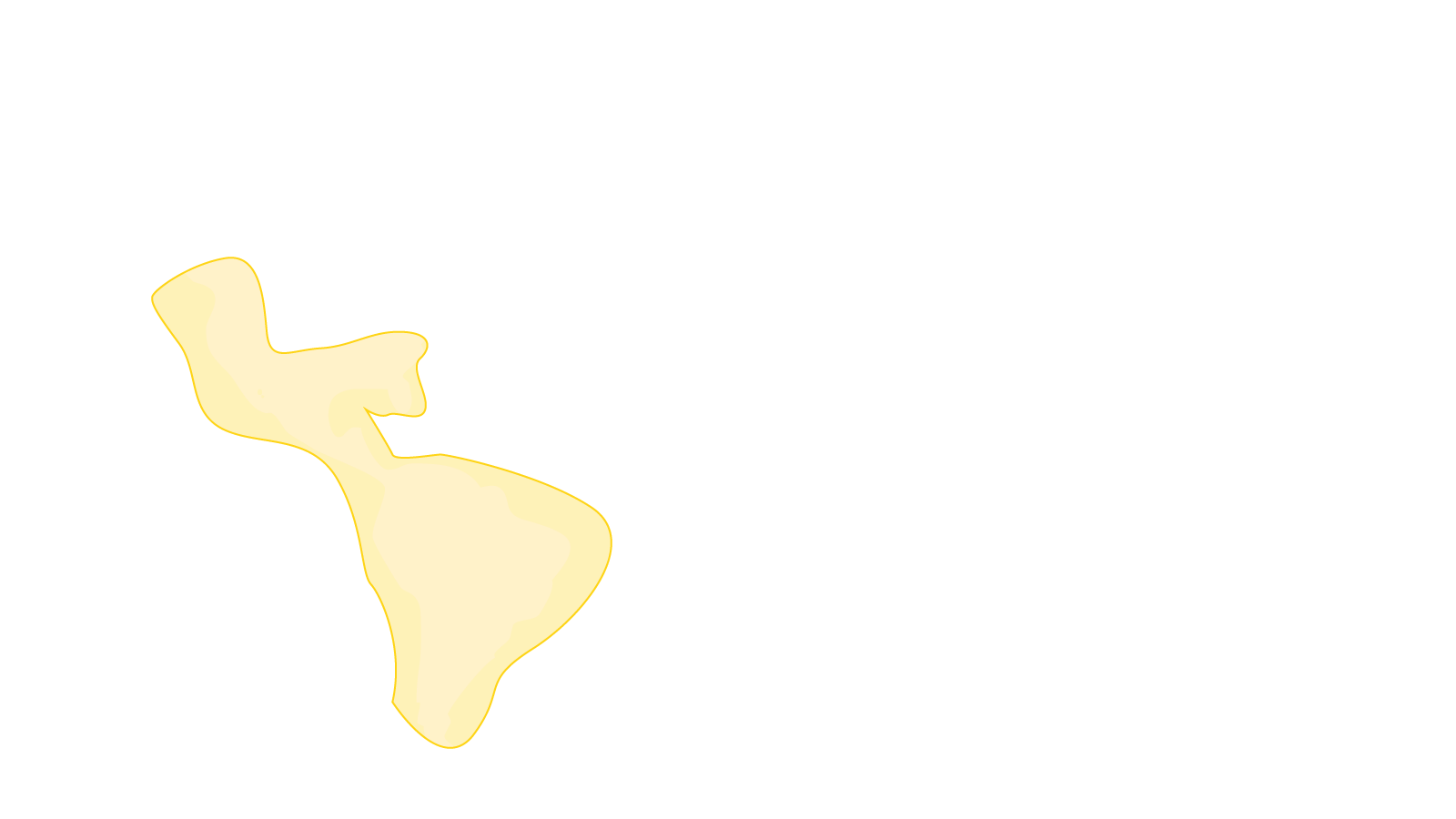
In the wild, it frequents a variety of environments. It is found in tropical rainforests, but also in drier or mountainous areas. Some populations live at an altitude of more than 2,000 meters, where tall trees and cliffs offer suitable resting and breeding sites.
Its diet is mainly based on fruits, seeds, nuts and young shoots. By moving long distances to feed, the military macaw actively participates in seed dispersal, an essential ecological role also provided by arboreal species such as the red-faced harlebone monkey.
At the Martinique Zoo, the military macaw is part of an educational program devoted to tropical birds. It provides a better understanding of the conservation issues related to large parrots and the preservation of neotropical forests.





.svg)


Quelques anecdotes
Highly targeted nesting sites
The military macaw carefully chooses its breeding grounds. It often nests in natural cavities, located in tall ancient trees or on steep cliffs. These sites offer increased security, but their rarity severely limits breeding opportunities.
A slow reproductive cycle
The species reproduces slowly and raises few young at a time. This characteristic makes every birth valuable and explains why the decline in numbers is difficult to make up for when habitats disappear.
.svg)
