


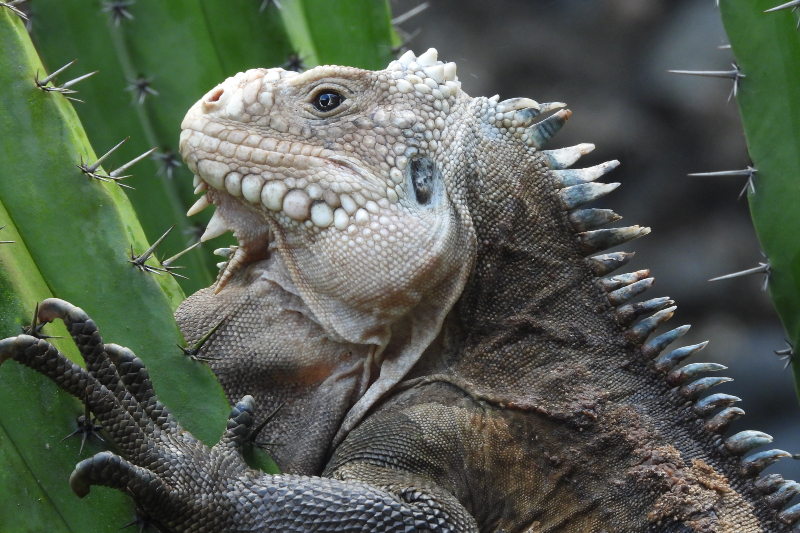
Lesser Antillean iguana
Iguana Delicatissima


The Lesser Antillean iguana, a rare reptile from Martinique
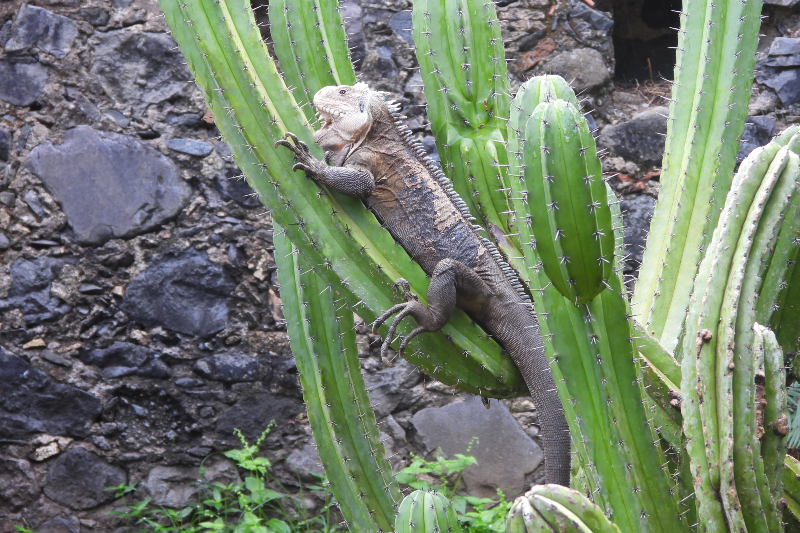
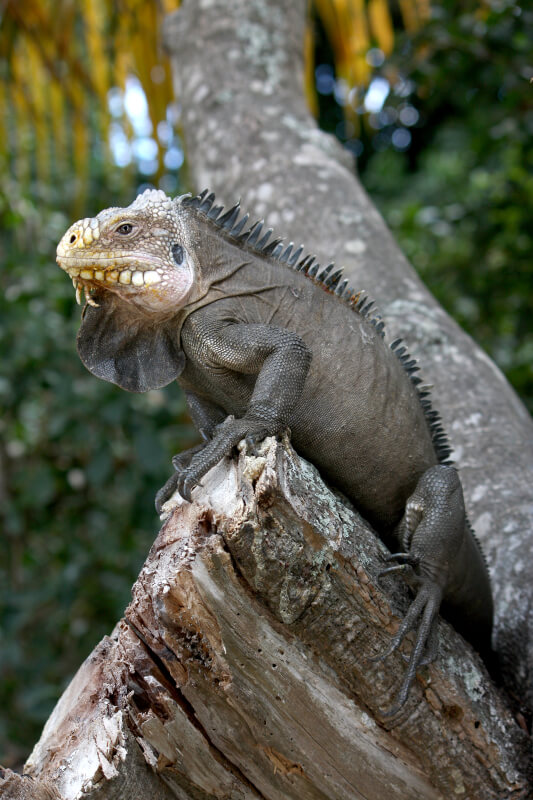
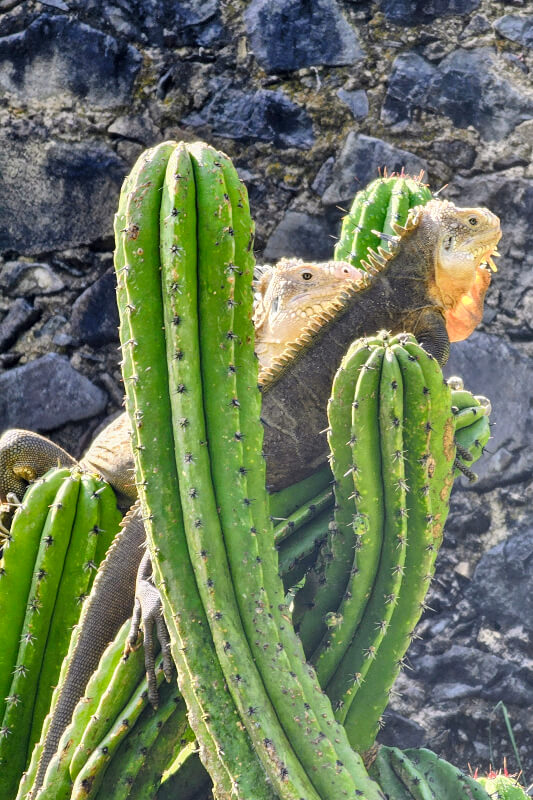
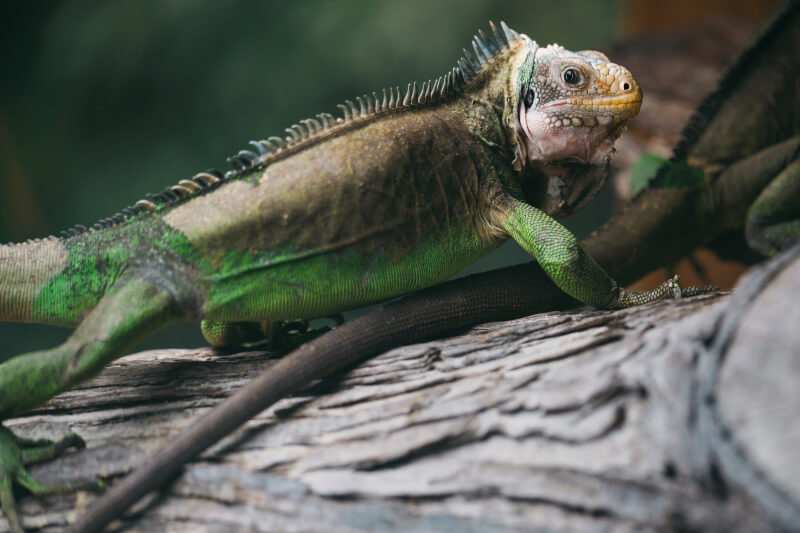
The Lesser Antillean Iguana(Iguana delicatissima) is an endemic reptile of the Antillean arc. In Martinique, the species has not completely disappeared in the wild, but its populations are now extremely small and fragmented. The last known individuals remain in a few very localized areas, in particular on Chancel Island and in certain forest areas that are difficult to access.
Classified as Critically Endangered (CR) by the IUCN, the Lesser Antillean iguana faces numerous threats. The destruction of habitats, human pressure and especially the introduction of the green iguana have caused a collapse in numbers.
In its natural state, this iguana frequents dry forests, mangroves, rocky areas and forest edges that are well exposed to the sun. It spends long hours motionless to heat itself, a behavior typical of tropical reptiles that is also found in some species of snakes such as the Boa constrictor.
Strictly herbivorous, it feeds on leaves, flowers, young shoots and fruits. This diet gives it an important ecological role in seed dispersal and the maintenance of local vegetation, a function comparable to that of arboreal mammals such as Unau sloth.
At the Martinique Zoo, the Lesser Antillean Iguana is presented as an emblematic species of local biodiversity in great danger. Its promotion makes it possible to raise public awareness of the impacts of invasive species and the urgency of protecting Martinique's natural environments.





.svg)


Quelques anecdotes
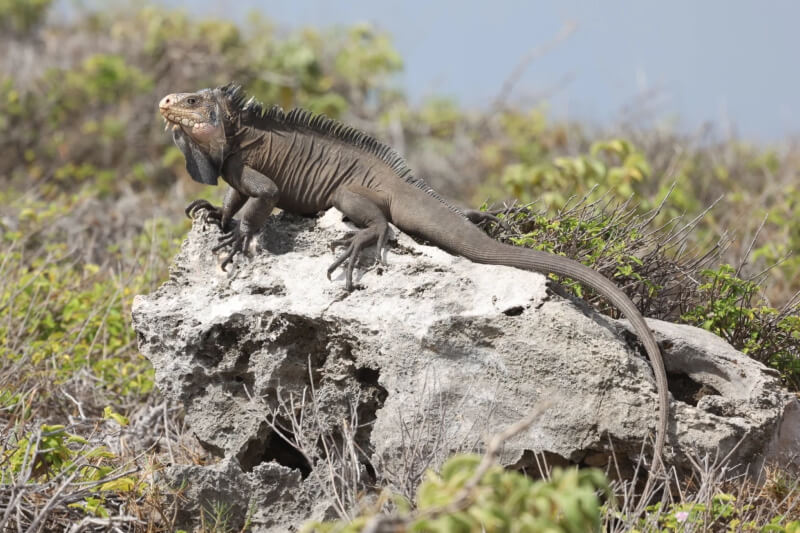
An identity under threat
The Lesser Antillean Iguana cannot compete with the green iguana. More robust and more adaptable, the latter quickly occupies space and resources, reducing the chances of survival of the endemic species.
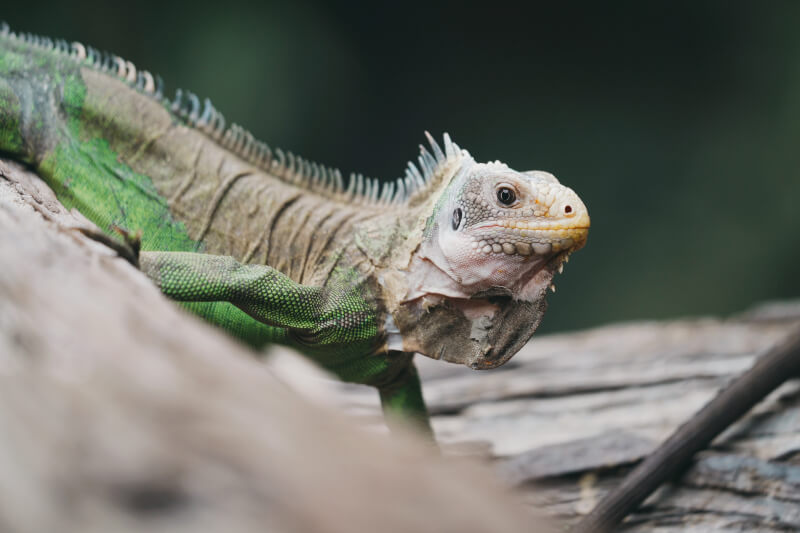
A very peaceful reptile
Contrary to some preconceived ideas, the iguana of the Lesser Antilles is not aggressive. Faced with danger, he almost always favors flight or immobility, relying on his camouflage to go unnoticed.
.svg)
