


Boa Constrictor
Boa Constrictor


The Boa constrictor, the giant of tropical forests
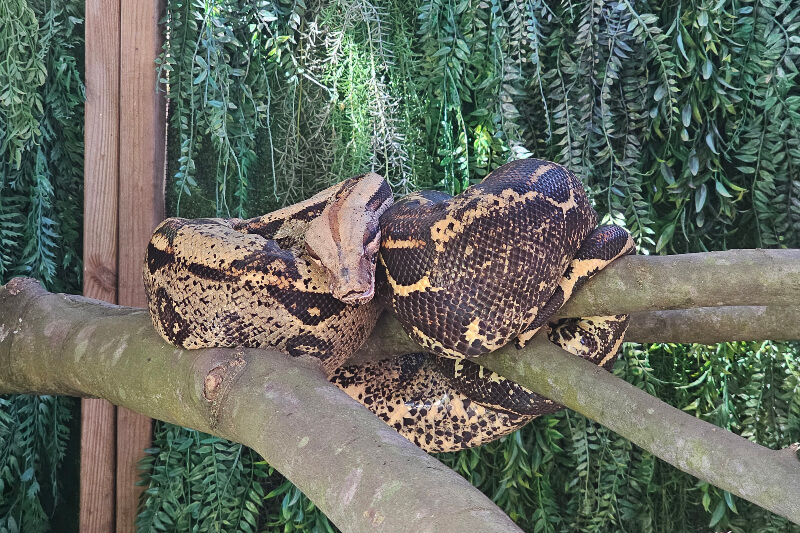
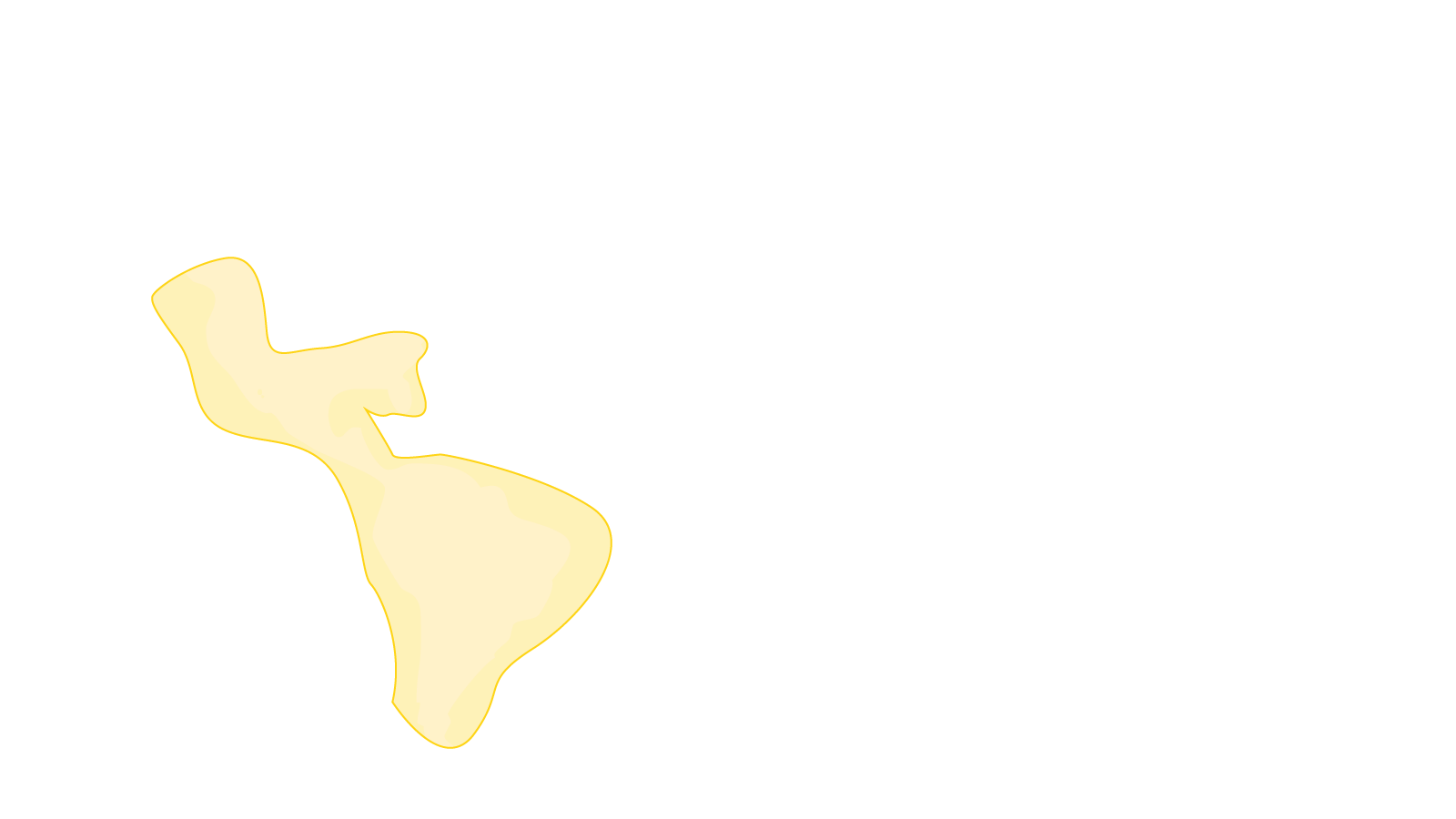
The boa constrictor (Boa constrictor) is a large snake native to Central America, South America and some Caribbean islands. It frequents a variety of environments: tropical rainforests, drier wooded areas, mangroves and forest edges. This terrestrial and semi-arboreal reptile occupies an important place in the balance of tropical ecosystems.
The species is classified as Least Concern (LC) by the IUCN. It remains widely distributed, even if some local populations are affected by habitat destruction and illegal trade. Like other tropical reptiles, the boa plays a key role in the regulation of animal populations, in the same way as iguanas or some geckos.
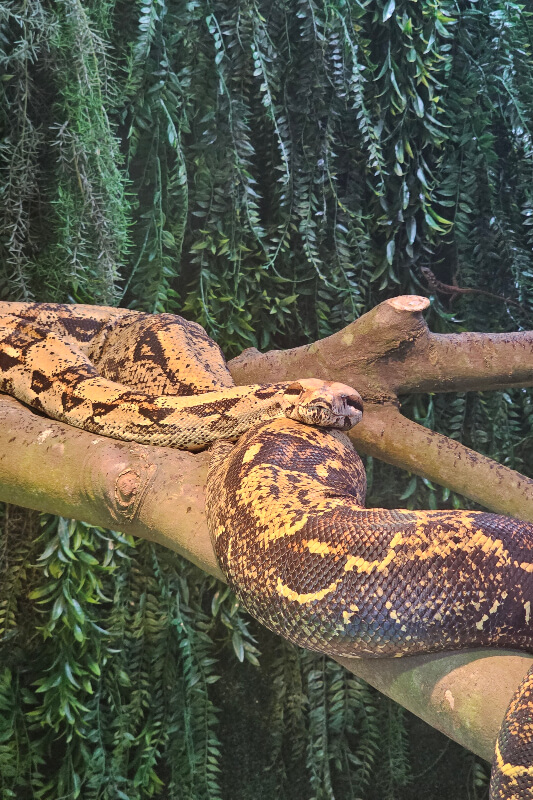
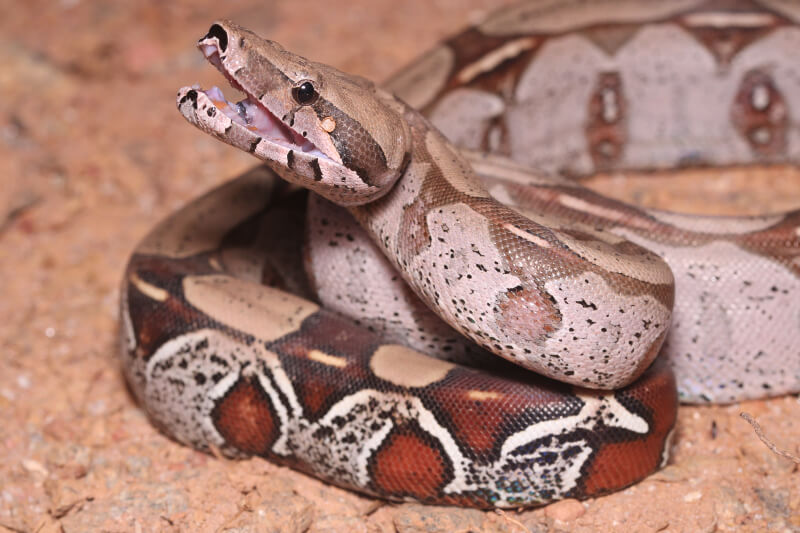
The boa constrictor can exceed 3 meters in adulthood. Its thick body is covered with brown, beige and dark patterns that ensure effective camouflage. Unlike venomous snakes, it captures its prey by constriction: it wraps itself around them and exerts gradual pressure until immobilized.
Its diet consists mainly of rodents, birds, and sometimes medium-sized mammals. It thus contributes to the natural balance of populations, especially those of small mammals such as the raccoon Or the mongoose. This regulatory function is essential for the proper functioning of forest environments.
The boa is mostly active at dusk and at night. Slow and discreet, he spends long hours motionless, hidden in vegetation or on the ground. This hunting strategy allows it to save its energy and surprise its prey, like other species that can be observed in the park, such as the puma Or the jaguar, each with different hunting techniques.
At the Martinique Zoo, the boa constrictor evolves in a green space integrated into the Habitation Latouche botanical garden. Its presence complements the discovery of mammals, of birds and other reptiles in the park, and makes it possible to address the often unknown role of snakes in tropical biodiversity.




.svg)


Quelques anecdotes
An impressive digestion
After capturing prey, the boa can remain immobile for several days or even weeks. Its very slow digestion allows it to live a long time without feeding, a common adaptation in large tropical snakes.

A calm and non-aggressive animal
Boa constrictors generally avoid contact with humans. He only defends himself if he feels threatened. Often mistakenly feared, it nevertheless plays an essential role in the natural regulation of ecosystems.
.svg)
