

Giant anteater
Myrmecophaga tridactyla


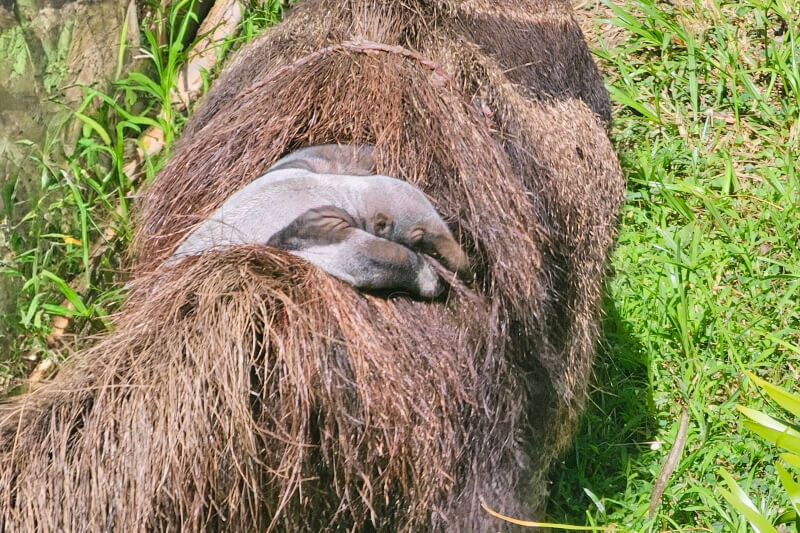
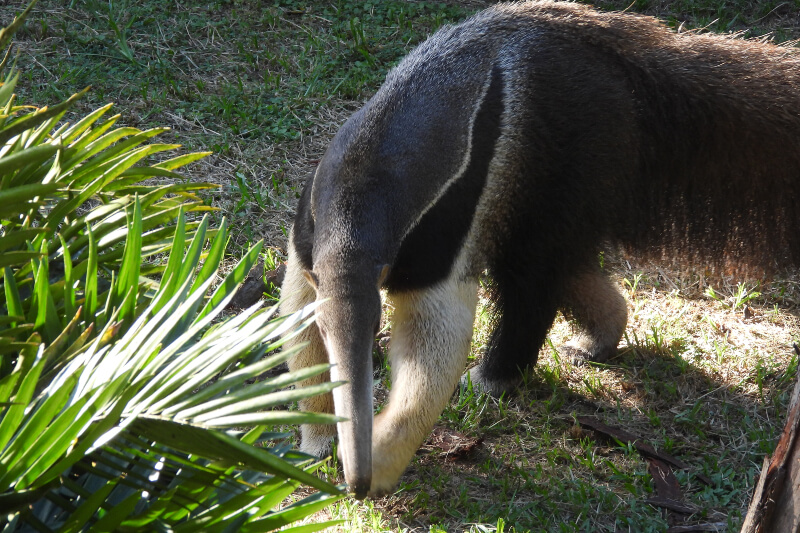
The giant anteater at the Martinique Zoo
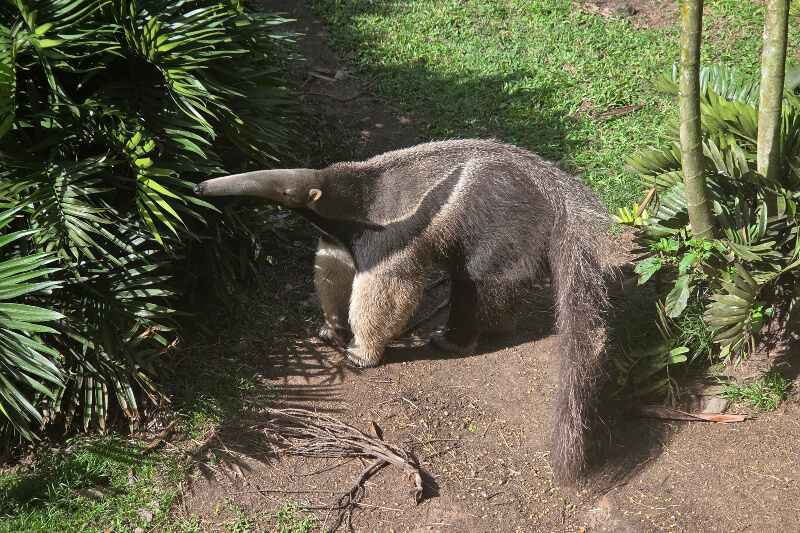
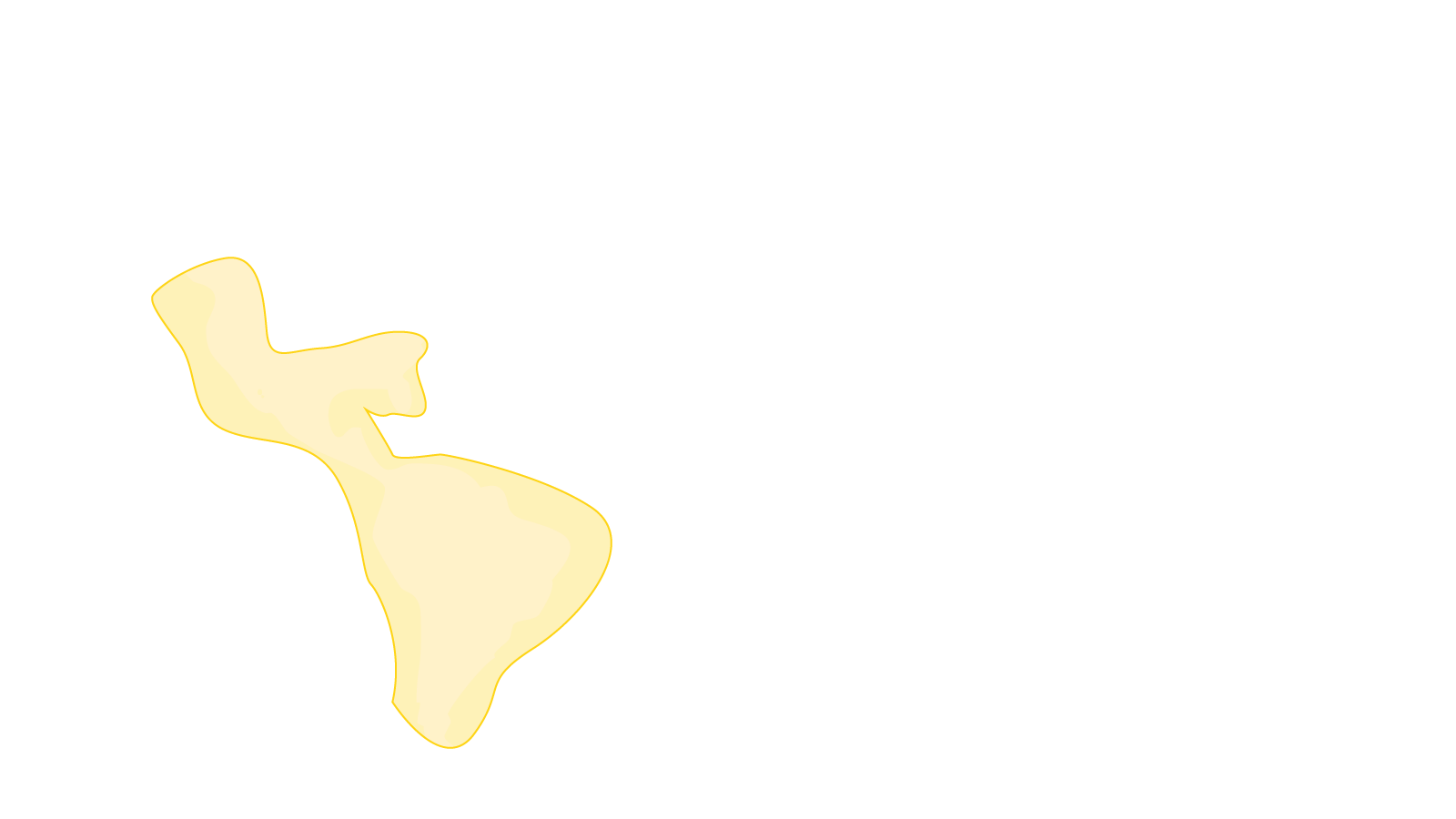
The giant anteater (Myrmecophaga tridactyla), is a mammal native to Central and South America. It is found in a variety of environments: open grasslands, wooded savannas and tropical rainforests. In these habitats, they spend long hours searching the ground for food.
Despite its impressive stature, it is a calm and discreet animal. Its highly developed sense of smell allows it to locate ant or termite colonies, even if buried deeply. His sight is weak, but his sense of smell more than compensates for this particularity in the search for food.
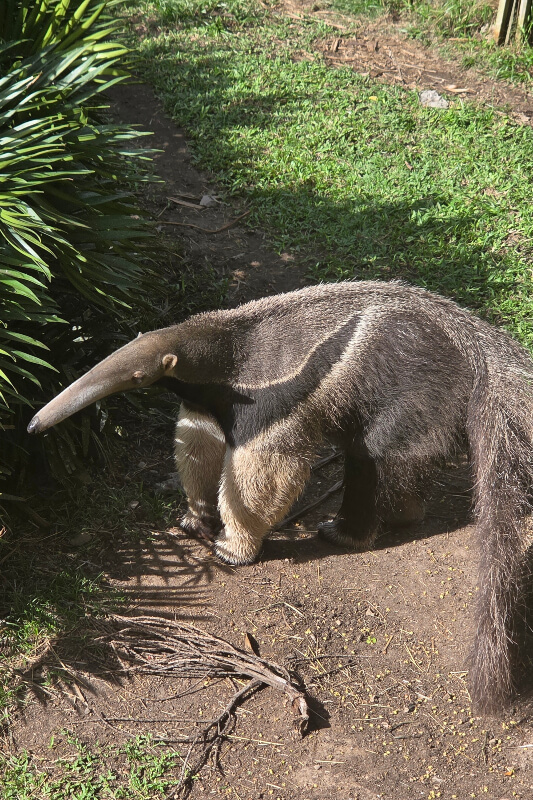
The giant anteater uses its long, curved claws to open termite mounds, dig into the ground and reach insect galleries. These claws are also used to manipulate its environment and to defend itself if necessary.
In the wild, the giant anteater generally lives alone. Individuals only meet at the time of reproduction. Its life expectancy is around 15 years in its original habitat, but it can reach almost 25 years in a zoological park.
The species is classified as Vulnerable (VU) by the IUCN. It is threatened by forest destruction, fires, road extensions and poaching. These pressures are gradually reducing the areas where it can still move.
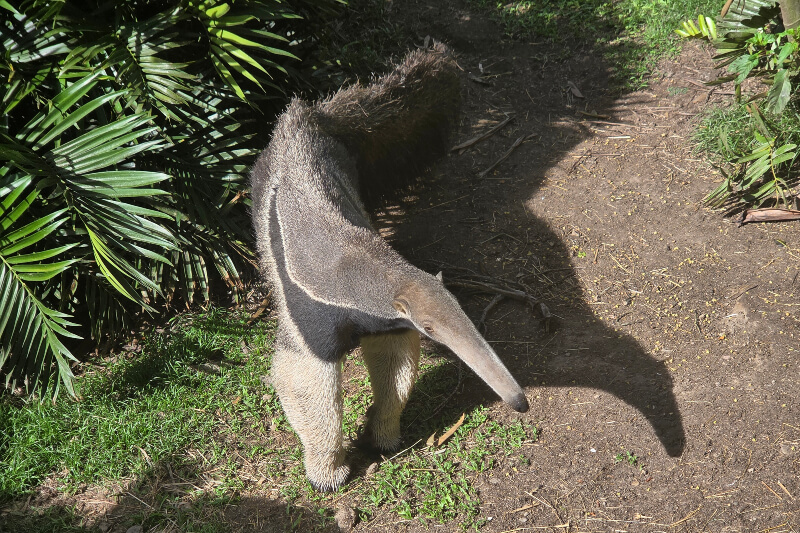
In the wild, its main predator is the jaguar. In case of danger, the giant anteater stands up on its back legs and uses its long claws for protection. At the Martinique Zoo, a couple, Mahïri and Zilia, live in two green enclosures that allow them to observe their natural behavior.


.svg)


Quelques anecdotes

A sense of smell among the best mammals
The giant anteater has an exceptional sense of smell. It can detect the presence of an insect colony several tens of meters away. This ability allows him to quickly identify areas where ants are active, without needing to dig unnecessarily.
A unique approach in the animal world
When the giant anteater walks, it tucks its claws under its front legs to avoid wearing them out. He then advances to the side of his hands, creating a characteristic, slow and balanced gait. This position protects its claws, which are essential for its nutrition and defense.
.svg)
