



White Cockatoo
Cacatua alba


The white cockatoo, tropical brilliance with an assertive personality
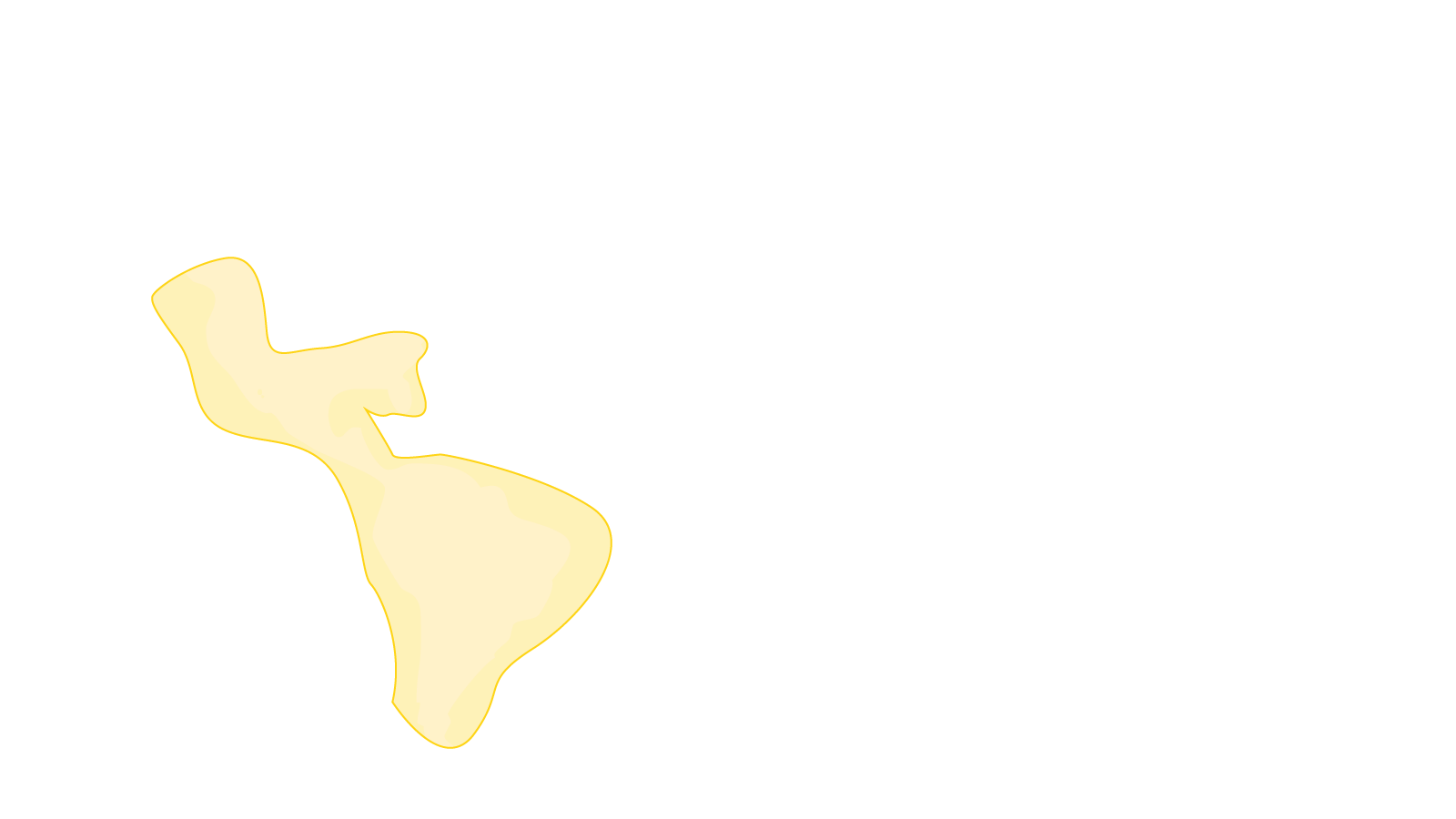
The white cockatoo (Cacatua alba) is a big parrot originally from Indonesia. It lives mainly in tropical rainforests, secondary forest areas, and forest edges of the islands of the Moluccan archipelago. Very expressive, it can be recognized by its entirely white plumage and its large hoopoe that it deploys according to its emotions.
The species is classified Endangered (EN) by the IUCN. The loss of its natural habitat and illegal trade have greatly reduced its populations in the wild. Like other large tropical parrots, such as Scarlet macaw Or the Military macaw, the white-crested cockatoo depends on vast forest areas for food and reproduction.
Large in size, it measures approximately 45 to 50 cm. Son powerful beak allows it to break hard seeds, while its sturdy legs give it an excellent grip for climbing and handling objects. Omnivorous, mostly vegetal, it feeds mainly on fruits, seeds, nuts and young shoots.
Very smart, this Cockatoo develops complex social behaviors. It often lives in small groups and communicates through postures, screams, and the deployment of its hoopoes. This expressiveness is similar to that observed in other social species in the park, such as the Tufted Capuchin Or the Bolivian squirrel monkey.











.svg)


Quelques anecdotes
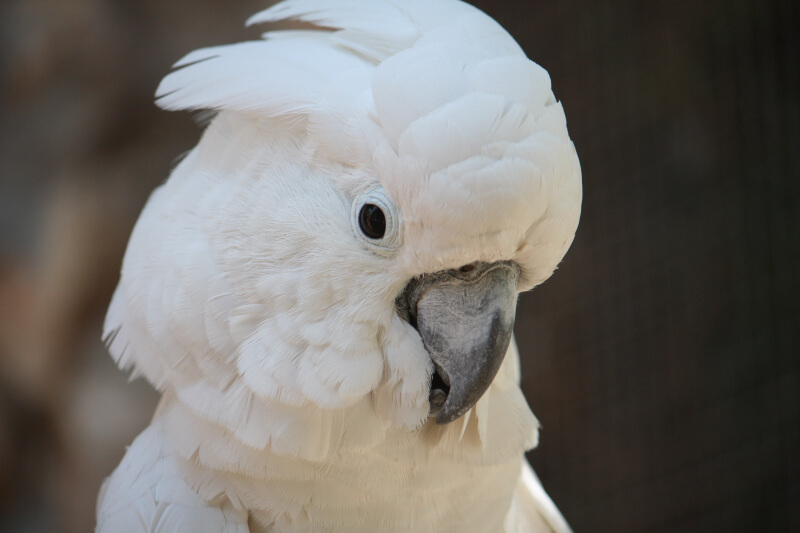
A very expressive hoopoe
As for the Sulfur-crested Cockatoo, the white hoopoe is not decorative. It arises during phases of excitement, alert or social interaction, offering a real visual language.

A well-observed couple in the park
At the Zoo, we find a pair of white cockatoos with the male Tango and Salsa his female. They illustrate the social behaviors typical of the species. Caregivers monitor their interactions on a daily basis, which is valuable in order to better understand the communication and well-being of these sensitive parrots.
.svg)
