



American flamingo
Phoenicopterus ruber


The American Flamingo, the pink elegance of tropical lagoons
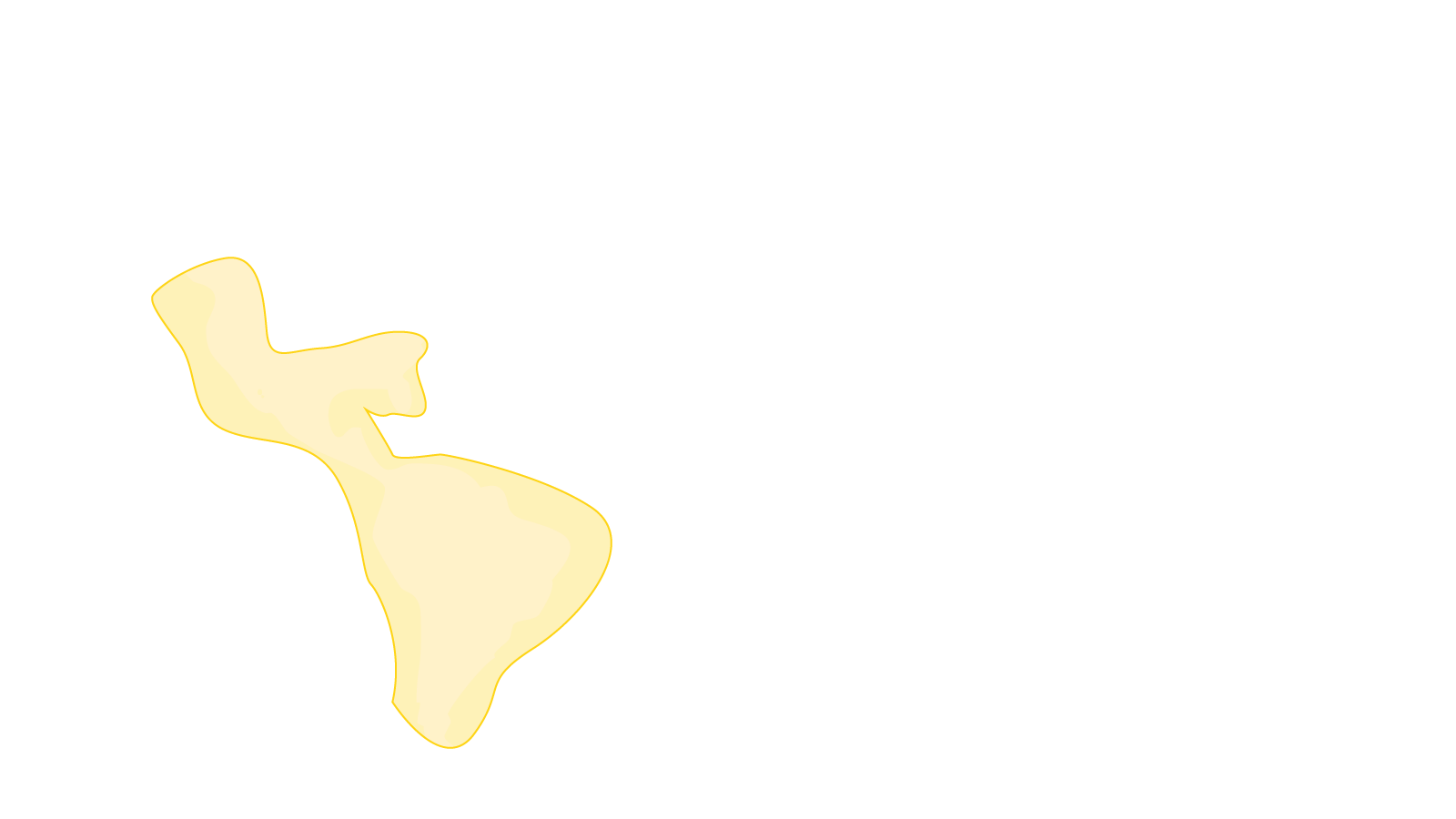
The American flamingo (Phoenicopterus ruber) is one of the most recognizable birds in the Caribbean region. Its slender silhouette, long curved neck, and bright pink plumage make it a flagship species in tropical wetlands. It mostly frequents brackish lagoons, salt flats and coastal ponds. These environments, where water and vegetation meet, are also essential for other species, such as Blue land crab and some amphibians linked to wetlands.
Its conservation status is Least Concern (LC) according to the IUCN. Although populations are generally stable, flamingos are highly dependent on the quality of wetlands. Pollution, urbanization and the disturbance of breeding sites can locally weaken its numbers. Understanding these issues helps to better read the ecological role of other zoo species, such as the Spectacled Caiman, which is also dependent on functional aquatic ecosystems.
The American flamingo can measure up to 1.45 meters and have a wingspan in excess of 1.5 meters. Its pink color comes directly from its diet, rich in natural pigments (carotenoids). Without this specific food, its plumage becomes paler.
It feeds by filtering the water thanks to its curved beak, specialized for capturing algae, micro-crustaceans and small aquatic invertebrates. This type of resource is found in the same environments as those frequented by the Capybara, another species closely linked to banks and wetlands.
Very social, the flamingo lives in groups that are sometimes large. This collective life facilitates vigilance, reproduction and travel to the most favorable sectors.


.svg)


Quelques anecdotes

A color that comes from the plate
At birth, the chicks are light gray. Only with time and proper nutrition does their plumage turn pink. The color therefore directly reflects the diet and the environment.

A dance to seduce
During the breeding season, flamingos perform collective displays: synchronized head movements, wing flaps and group movements promote the formation of pairs.
.svg)
