


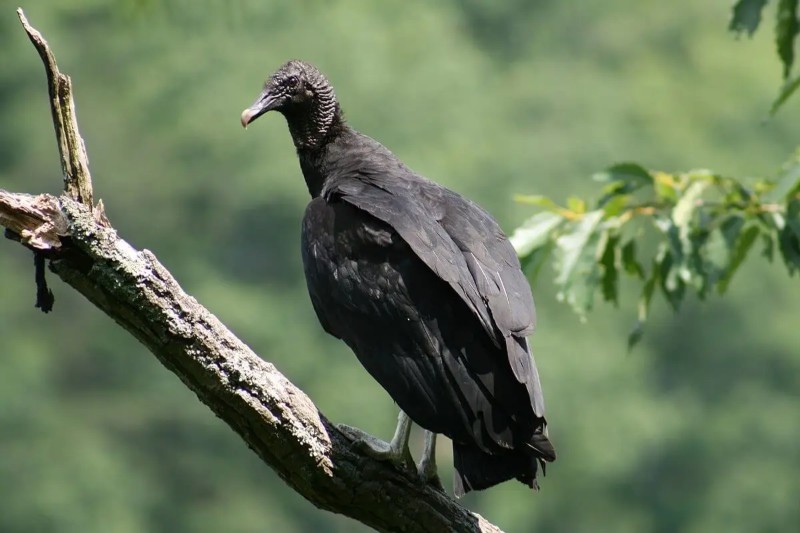
Black vulture
Coragyps atratus


Black Vulture: nature's great cleaner
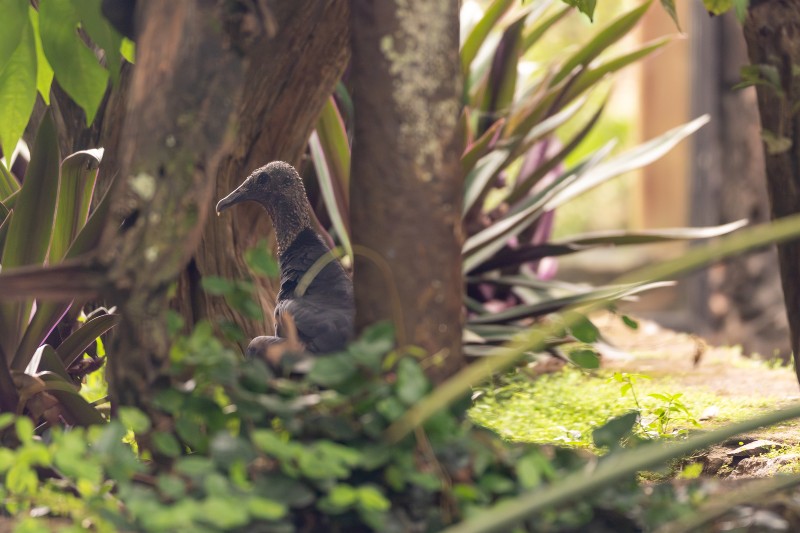
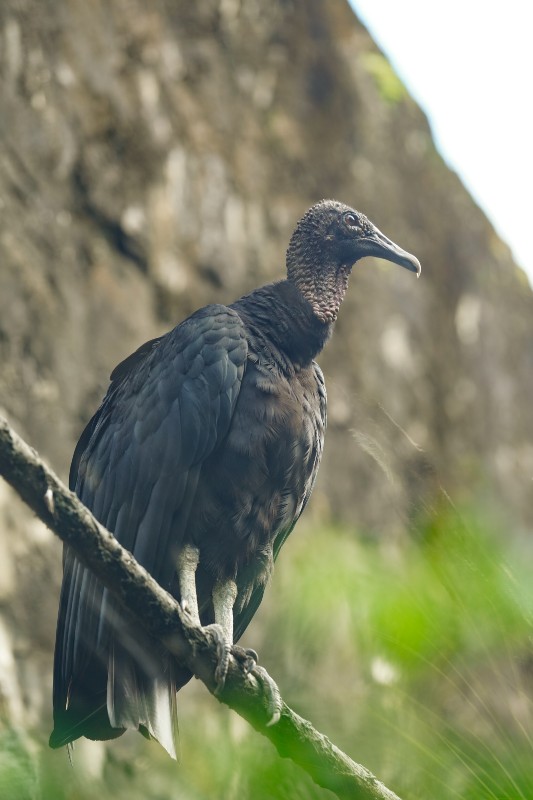
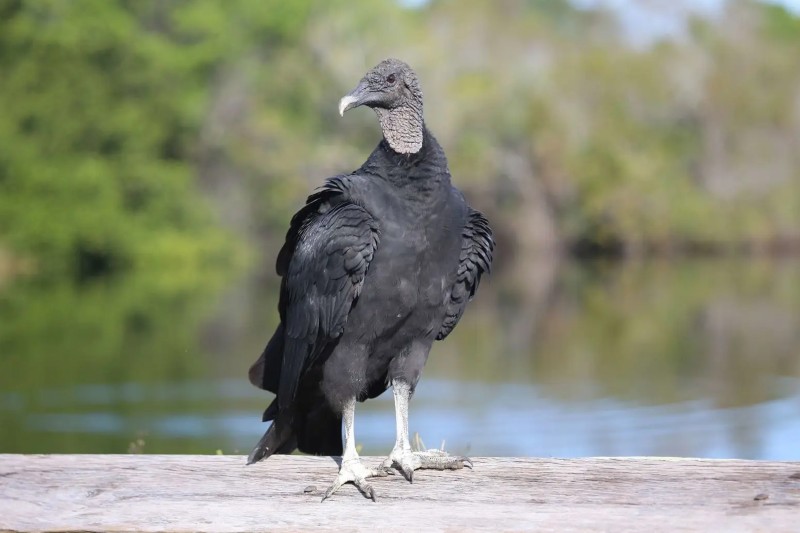
With its dark plumage, bare head, and massive silhouette, the Black Vulture (Coragyps atratus) has a highly recognizable appearance. This New World vulture lives across a vast portion of the American continent, from the southern United States down through Central America and into South America, as well as on certain Caribbean islands. Highly adaptable, it frequents a variety of environments: open spaces, forest edges, savannas, pastures, and even areas transformed by human activity.
The Black Vulture is primarily a scavenger, feeding mainly on animal carcasses. This diet gives it an important ecological role. By consuming dead animals, vultures help clear carcasses quickly and recycle organic matter. As an opportunist, the Black Vulture may also supplement its diet with eggs or small animals.
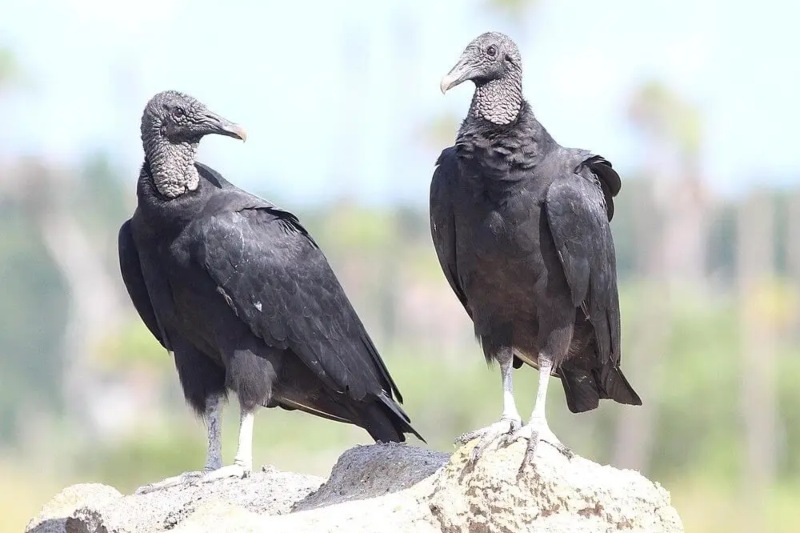
It is also a particularly social species. Black Vultures are regularly seen in groups while feeding, traveling, or resting. Family bonds can persist after the young have fledged, as they continue to be fed by their parents for several months. During the breeding season, the pair does not build a traditional nest; the eggs are laid in a sheltered spot, such as a cavity, a hollow tree, or a protected space on the ground. The clutch typically consists of two eggs, incubated by both parents for about 35 to 38 days.













.svg)


Quelques anecdotes
It takes advantage of other vultures' sense of smell
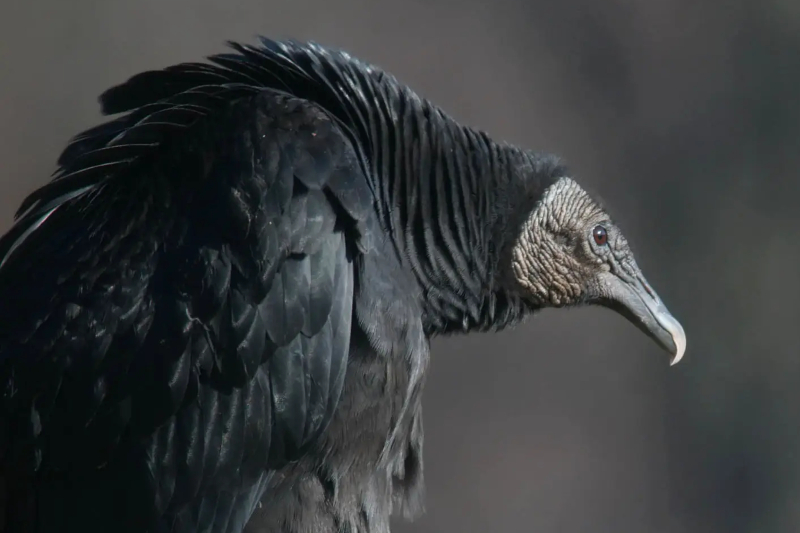
The Black Vulture has excellent eyesight, but its sense of smell is much less developed than that of the Turkey Vulture. It can therefore watch the latter in flight and follow it as it descends toward a carcass. It is an effective strategy for finding food without needing to detect it by scent itself!
A vulture that doesn't sing
Unlike many birds seen at the zoo (Blue-and-yellow Macaw, flamingos , etc.), the Black Vulture does not have a functional syrinx, the organ that allows for the production of complex songs. So, you won't hear it chirping! To communicate, it mainly emits hisses, grunts, and raspy sounds.
.svg)
