



Cuvier's dwarf caiman
Paleosuchus palpebrosus


Cuvier's dwarf caiman, discreet inhabitant of tropical rivers
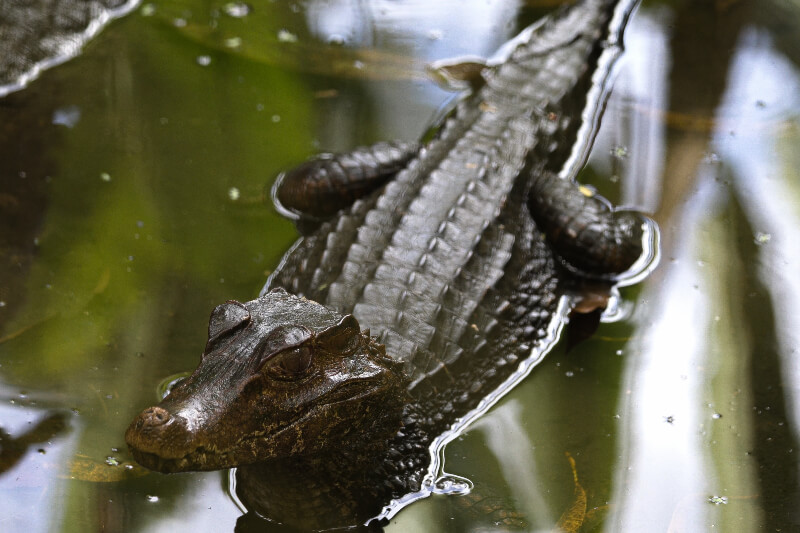
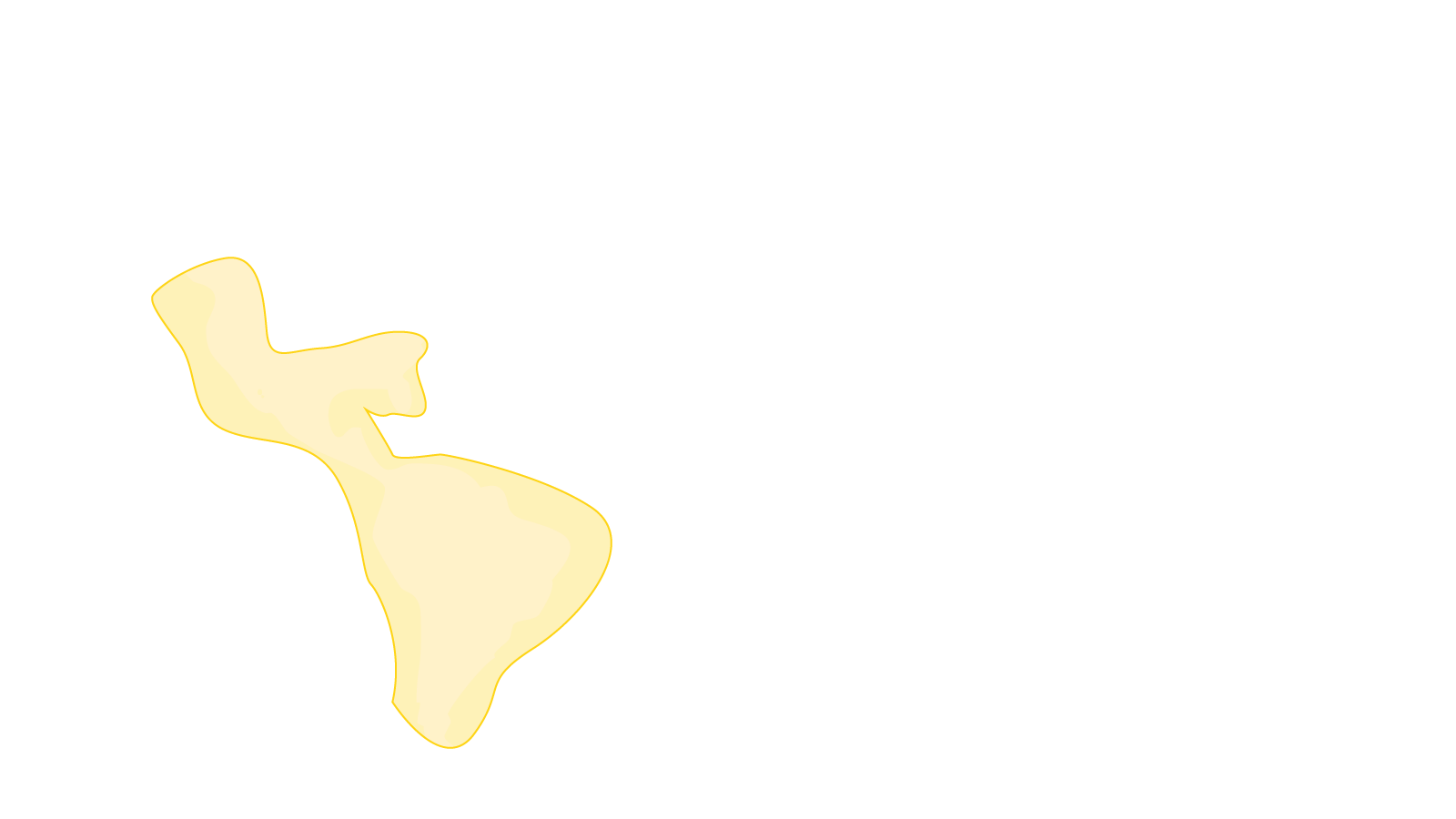
Cuvier's dwarf caiman (Paleosuchus palpebrosus), also called red caiman in the Antilles, is one of the smallest crocodilians in the world. It lives mainly along forest rivers, shady creeks, and calm wetlands in South America, where dense vegetation provides shelter and discretion.
The species is classified as Least Concern (LC) by the IUCN. This relative overall stability is explained by its very discreet behavior and its preference for environments that are not very frequented. However, it remains sensitive to deforestation and the degradation of waterways.
This caiman can be recognized by its compact silhouette and its marked bone breastplate. At night, its eyes can reflect a reddish-orange hue under the light, a detail that gives rise to its local nickname. As an adult, it generally measures between 1.2 and 1.6 meters.
Mostly nocturnal, it hunts on the lookout. Its diet consists of fish, amphibians, crustaceans, and small vertebrates. By regulating these populations, it contributes to the balance of aquatic environments, just like the Capybara or The anaconda, other species related to water.
At the Martinique Zoo, Cuvier's dwarf caiman makes it possible to approach the diversity of tropical crocodilians and to better understand the key role of wetlands in forest ecosystems.


.svg)


Quelques anecdotes

A very reserved behavior
Unlike the more visible large crocodilians, this caiman spends a large part of the day hidden under roots or between rocks. It becomes active especially at nightfall.

Effective natural protection
Its body is covered with thick bone plates that form real armour. This protection is ideal in rivers that are congested with branches and stones.
.svg)
